How do you resolve sibling conflicts peacefully?

How do you resolve sibling conflicts peacefully?
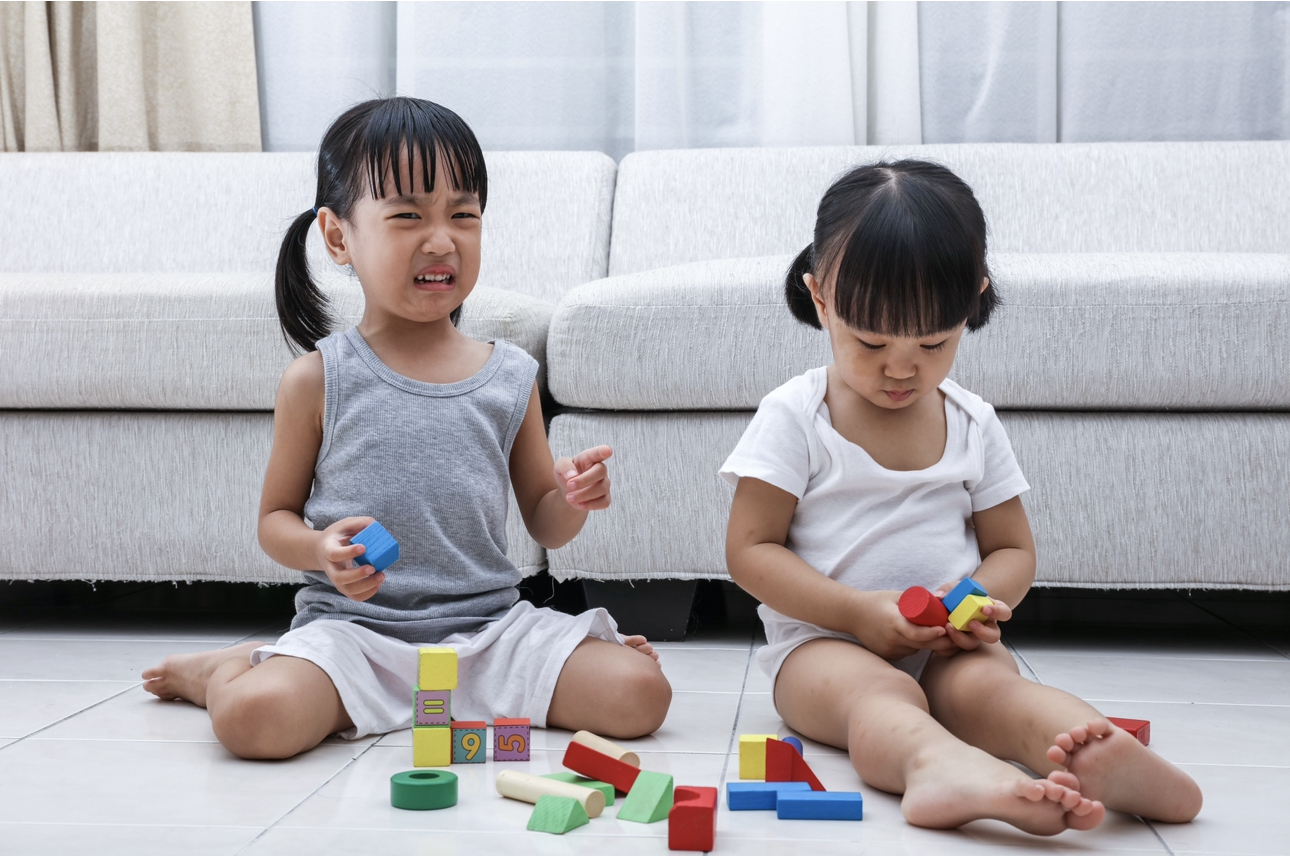
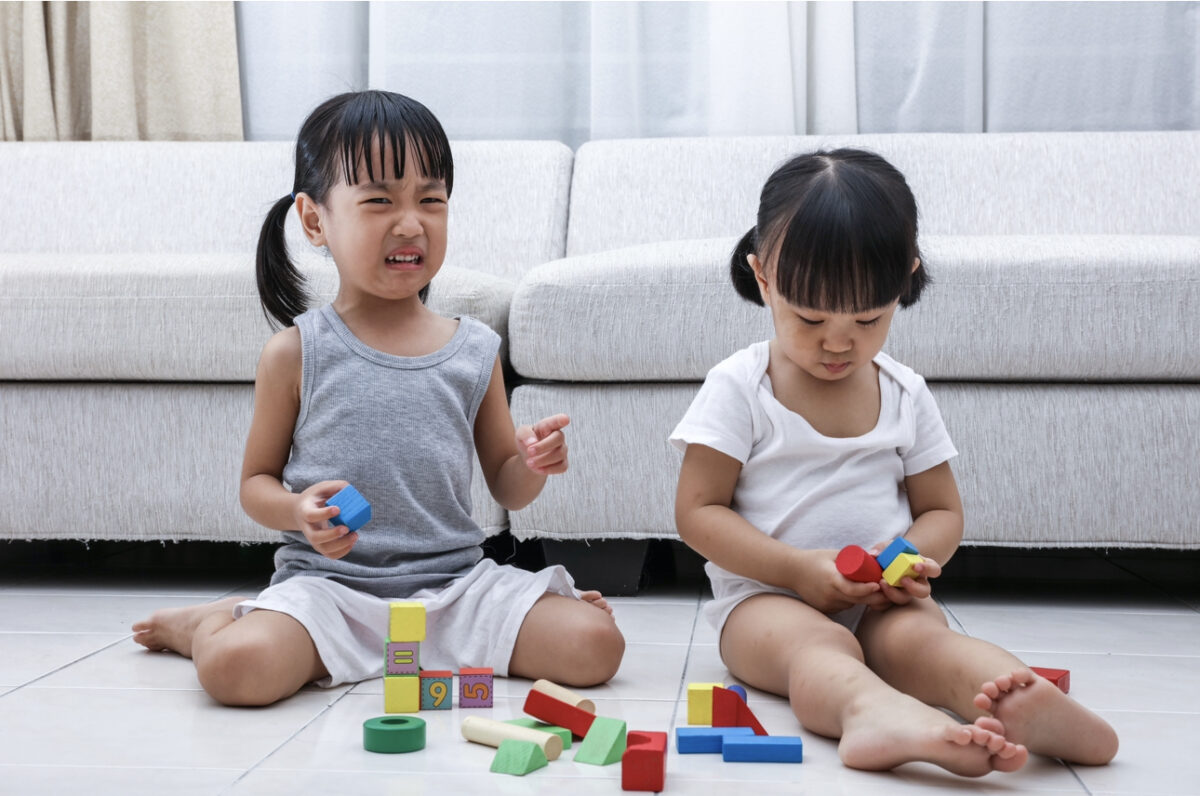
https://www.shutterstock.com/zh/image-photo/asian-chinese-little-sisters-struggle-blocks-521563198

Source: Family Dynamics, Individual, Marriage, and Family Therapist Kwong Wing Han

When there are two or more children in a household, conflicts and disagreements are normal. Parents may feel troubled, wondering how to make their children get along peacefully. Here are some tips.

Firstly, parents should try their best to create a warm and happy family atmosphere, emphasizing the concept of sharing. Secondly, we should regulate the behavior of children according to their age. Children under the age of 2 do not understand what they can and cannot do. Many times, they may behave in a way that upsets their older siblings. At this time, we need to comfort the older child and make him understand that his younger sibling cannot do it because of their limited abilities and lack of understanding. When they reach the age of understanding and obeying rules, parents will ask them to follow the rules just like their older siblings, so that the older child understands that the parents are not favoring their younger siblings.

In traditional thinking, older children should show consideration and make concessions to younger children. However, in fact, we should decide based on the child’s age and their ability to receive and understand things, not necessarily based on age. The so-called consideration and concession should be understood as empathy and understanding their needs.


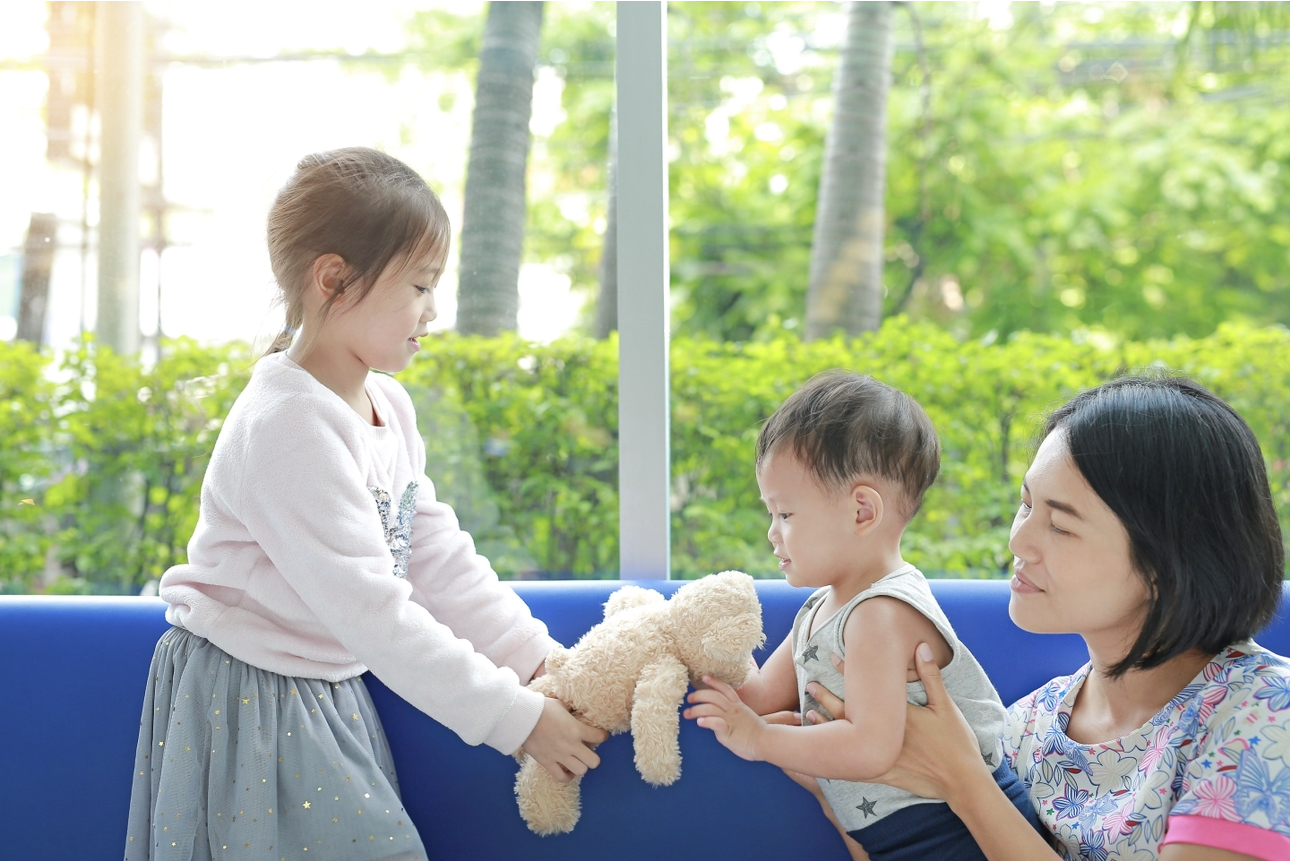
If the younger sister wants to play with the older sister’s toy, mom can say to the older sister, “I know this toy is yours, and you treasure and love it, so you don’t want to let your sister play with it. But your sister doesn’t have this toy; she is younger than you, and she is happy to see you play with it and wants to try it too.” If the older sister agrees to let her sister play with it, it means she understands and empathizes with her sister’s needs. We can also say to the younger sister, “Because your sister loves you very much, she is willing to let you play with the toy,” and let her express gratitude to her sister.
 

https://www.shutterstock.com/zh/image-photo/older-asian-sister-give-teddy-bear-1429885598 

However, children may not always be willing to share their toys. When they refuse to share, we should teach them to respect each other. On the basis of mutual respect, everyone can discuss and communicate together, and the child can decide who to share with. In addition, we should establish the principle of sharing. The older sister can share toys with the younger sister, and the younger sister also has the ability to share toys with the older sister. By sharing with each other according to a fair principle, the relationship between them will be more harmonious.

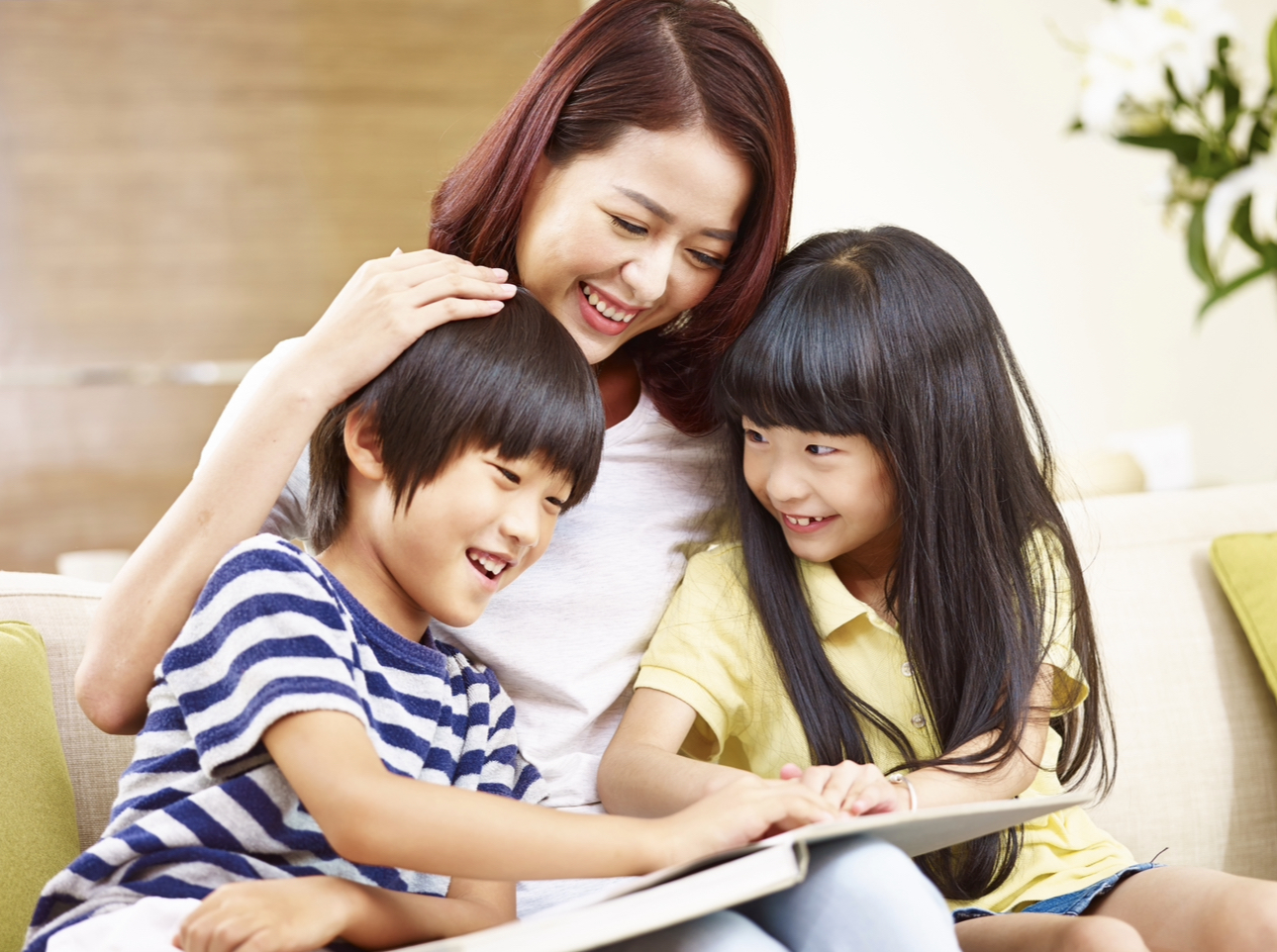
When sisters have conflicts, parents should remain neutral and not intervene. However, we often feel anxious and want to solve the problem for them. But the focus should be on accompanying them to solve their conflicts. We should give them the opportunity to express themselves, let them know that we understand their feelings, and allow them to handle the situation on their own.
 

https://www.shutterstock.com/zh/image-photo/young-asian-mother-sitting-on-couch-772679377

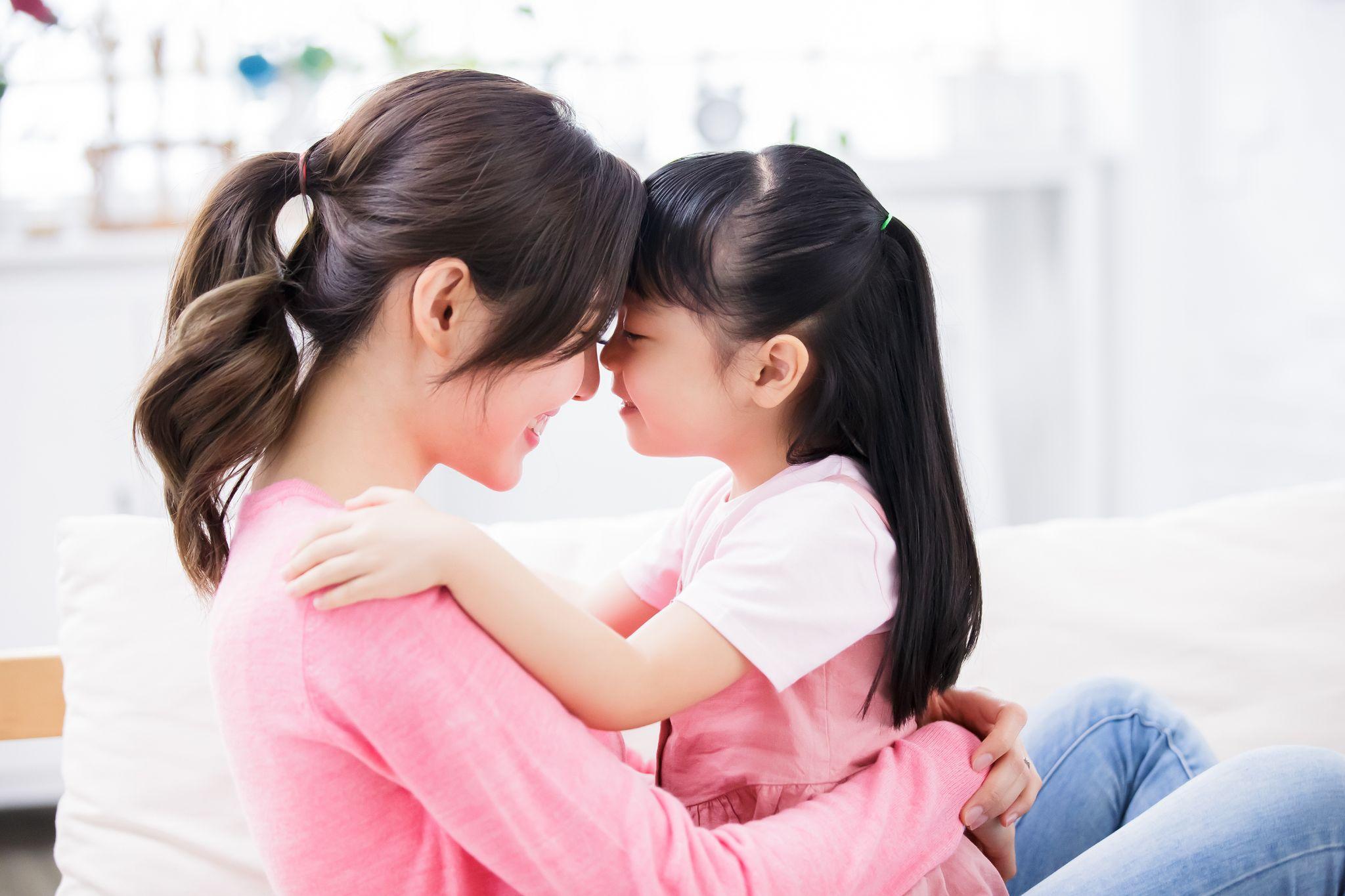
Also, don’t overly emphasize on fairness because there is often no absolute fairness. If they both want to be hugged by mom, mom can say, “Mommy knows you both want to be hugged by mommy and feel comfortable this way. But mommy only has one pair of arms and can’t hold you both at the same time. Let’s think of ways to let both of you be hugged by mommy.”


We should let children know that having conflicts is not a problem, and having conflicts does not mean they don’t love each other. The most important thing is to learn how to solve problems. Their problem-solving experiences will be unforgettable lessons for them as they grow up, and will not damage their relationship.
How can eating habits make your child’s skin healthier?

飲食How can eating habits make your child's skin healthier?

https://www.shutterstock.com/zh/image-photo/little-baby-boy-has-allergies-mosquitoes-1341712229


Source: Registered Dietitian (Public Health) (UK), Ng Pui-Yu


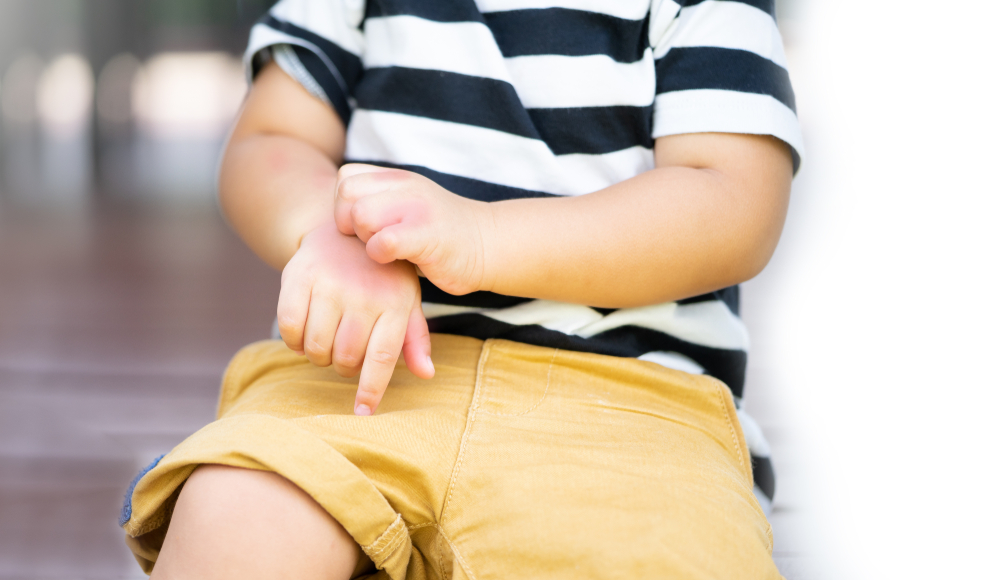
Many kids have dry skin or even eczema, and their parents work hard to find the right moisturizers and other skin care products for them. In fact, in addition to topical skincare products, we should also pay attention to children’s diets. The most direct way, of course, is to drink more water. How much water should be drunk?


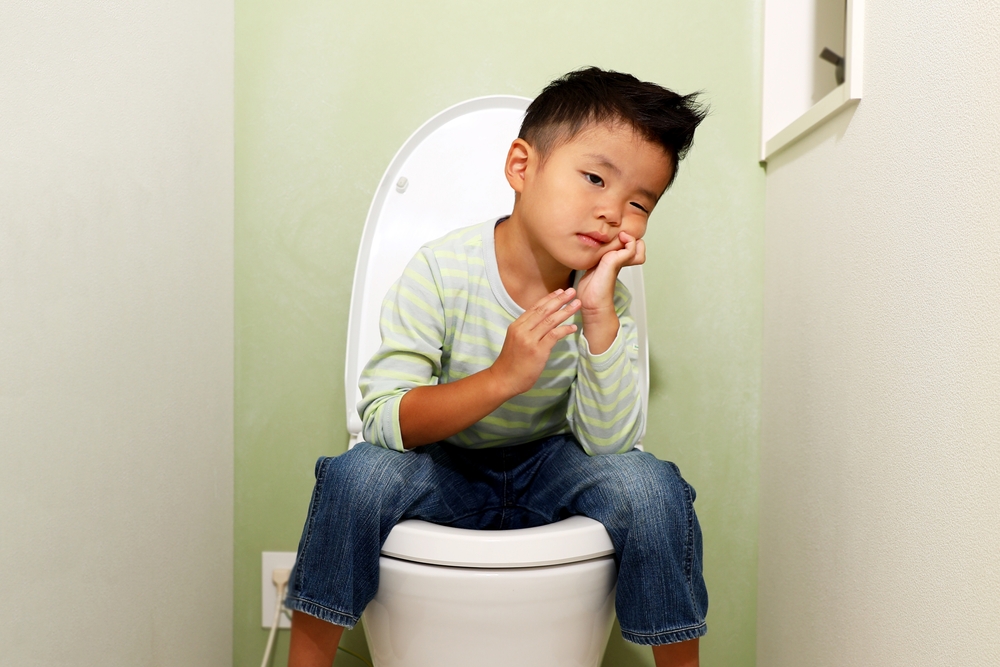
In fact, our body’s need for water is deeply influenced by the weather. For example, in dry weather, we need more water, as well as to account for children’s activity levels and how much they sweat. The water content in food also affects their need for water. If a child urinates every 3 to 4 hours and the urine is light yellow with no strong odor and the stool is not very hard and does not cause difficulty during bowel movements, it usually means that their water intake is sufficient.

https://www.shutterstock.com/zh/image-photo/boy-thinking-about-various-things-toilet-2050911272


For children aged 2 to 5, they need about 4 to 5 cups of fluid a day, and water should be the main source. Unsaturated fatty acids, like omega-3, are also important for maintaining the integrity of cell membranes, which keep harmful substances out and keep the skin moist and flexible. Omega-3 fatty acids can also help calm immune responses that are too strong in people with skin allergies or eczema.


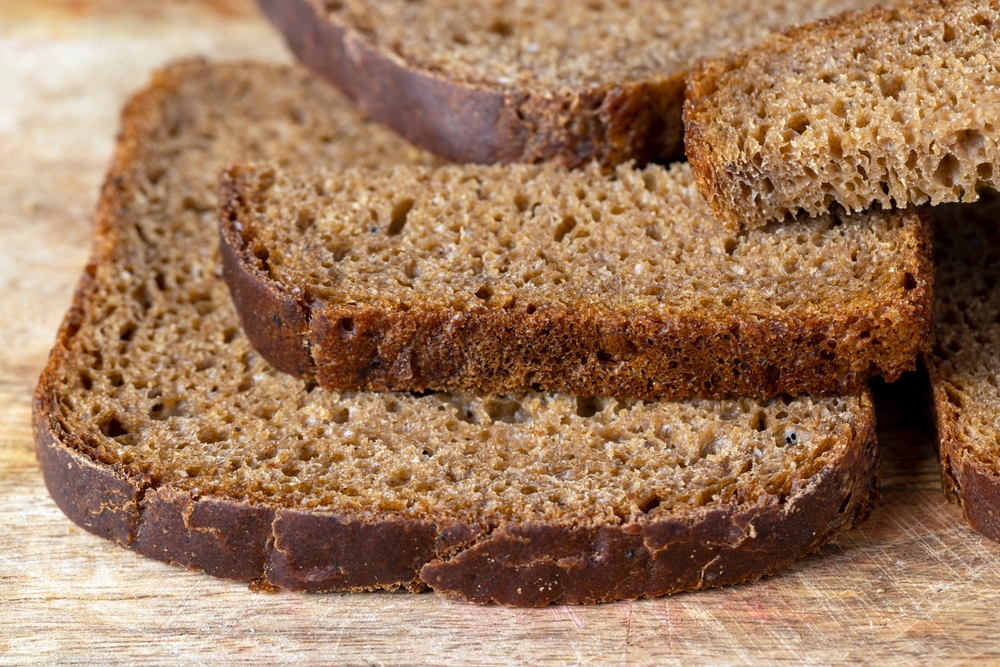
We should also avoid certain foods, such as candies, cookies, and white bread, which are refined foods. Instead, we should choose low-glycemic index foods, such as brown rice and whole wheat bread, which are important for controlling sensitive conditions. Antioxidants, including common vitamins A, C, and E, are also important and can be found in fruits, vegetables, and nuts of different colors, making them great sources of antioxidants.

https://www.shutterstock.com/zh/image-photo/sliced-piece-black-rye-bread-on-2181599479


In summary, to have healthy skin, in addition to having enough water, you should eat high-fat fish such as salmon or yellow croaker twice a week. You can also replace some cookies and candy with plain nuts, fruits, and so on, and it is ideal to eat a variety of vegetables and fruits.


By the way, if a child’s chewing ability is not well developed, there is a chance of choking when eating nuts. Therefore, we should choose some smaller nuts, such as pine nuts, which are also a good option.

Categories
Parents Zone

How to effectively calm children when dealing with parent-child conflicts?

How to effectively calm children when dealing with parent-child conflicts?

https://www.shutterstock.com/zh/image-photo/candid-shoot-people-cafeteria-little-girl-1170417658


Source: Parenting Education Specialist, Ken Sir


From time to time, conflicts may arise between children and adults. In handling these conflicts, communication skills with children are very important, and there is a big difference between starting with “you” and starting with “I.”


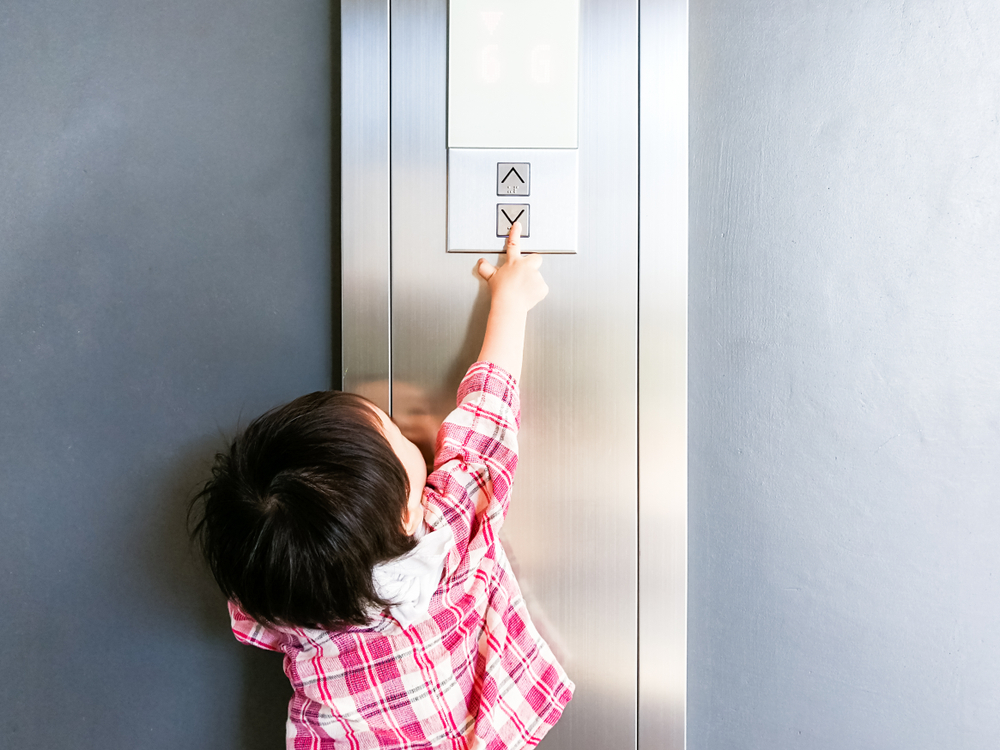
Once, I was at the elevator entrance and saw a child trying to press the elevator button, but another child pressed it first. The child’s emotions immediately became volatile, and although the mother tried to bend down and deal with the situation, she found it difficult to calm the child’s emotions. What was involved in the situation?

https://www.shutterstock.com/zh/image-photo/baby-trying-pressing-elevator-button-down-1070815517


This involves the mother using a few phrases, including “don’t cry”, “what do you want?” or “do you want me to go down to the next floor and let you press the button?” I want to remind parents that if they want to calm a child’s emotions, they should avoid using these types of phrases.


If we want to calm a child’s emotions, we can try using “I” at the beginning of the sentence, such as “I see you…”, “I know that you really want…”, and “Mom and Dad understand you”. When a child hears these words from their perspective, they will feel that you are on their side rather than opposing them.


In this way, through your body language—calming and hugging—it helps the child gradually learn to be calm and then slowly instill what you want to teach them. This would be very good.

Categories
Parents Zone Parents Zone Parents Zone Parents Zone Parents Zone

How do parents show love to their children?

How do parents show love to their children?

https://www.shutterstock.com/zh/image-photo/happy-asian-family-garden-they-having-1936804654

 Source: Parenting Education Specialist, Ken Sir

Parents may worry that expressing too much love to their children will spoil them and therefore do not know how to express love to them. Generally speaking, Chinese are more introverted and often dare not express their love. Especially when you originally wanted to express that you were very worried about your child, it often turns into another attitude.

Once, I saw a mother and her child get lost in Shatin and then reunite. What was the mother’s behavior like after the reunion? She grabbed the child’s hand and hit him while saying, “I couldn’t find you earlier; do you know how scared I was? I was so worried. What would I do if I didn’t find you?”


In fact, everyone knows that the mother loves her child, but the child doesn’t feel it. I often share an example during lectures to express love. When I was young, my father ordered a drink, but because money was tight, he asked the waiter to bring an extra cup after ordering one hot drink. He kept pouring the drink back and forth in front of me, trying to cool it down quickly so that the child wouldn’t burn his mouth and could drink it faster. But I found that when children ask their parents or when I asked many students’ parents, they would answer, “This will make it cool faster.”

https://www.shutterstock.com/zh/image-photo/happy-asian-family-drinking-fresh-water-1243718173


When responding to children, parents should express their feelings at the deepest level: “I love you; why would I do this if I didn’t love you? Am I doing it for someone else? For another child? So in fact, there are many things in our lives that can express love, but there is one thing that must be remembered. If you are afraid of being overindulgent, remember the following two points:

First, if the child can do something, let them do it. You should not fight to do it. Second, when the child makes a mistake, we should correct them. In the process of correction, try to be gentle and firm. When seriousness is needed, be serious. But remind the child to say the solution, not just say no or that it’s wrong. Otherwise, the child will not progress.

Categories
news

Student in N and K1 classes posting letters life experience

Children in N and K1 classes posting letters life experience

The Lunar New Year extension activity coincides with the Year of the Rabbit this year, 

and specially exported stamps of the Year of the Rabbit in different styles in Hong Kong, China.

Explore the characteristics and shape of rabbits. N and K1 children express their respect to their parents through paintings,

They also learn to put letters in envelopes, apply stamps and post letters to mailboxes themselves,
It’s a great life experience !

If parents receive letters sent to you by their children in person, they may wish to reply here with text or photos.
To encourage children to learn.

Categories
news news news

“Old Students Reunion Day”

“Old Students Reunion Day”

💕”Old Students Reunion Day” allows us to reunite with graduates and parents who have been away from campus for many years,
What a joy! 🎓Revisiting the old place, familiar faces reappeared in front of my eyes,
I am so grateful!

❤Talking about the past, interesting things are in my heart, looking back on the glory of the past, looking forward to the future.
Get together every year, join hands and encourage each other, be grateful for having you, and grow up together. Remember to see you next time! 💯🥳!

【Yan Chai STEM FAIRE 2023】

【Yan Chai STEM FAIRE 2023】

🎉The annual “Yan Chai STEM FAIRE” cooperates with the Education Bureau to promote science and technology🧪,
Children try to create their own works through multiple activities, 💡🔭

Cultivate children’s interest in innovation and technology in a joyful atmosphere,
and learn to appreciate and share works with each other,
Promote them to establish positive values 😆 and a positive learning attitude 👍🏻!

【Parent-child Planting Experience Day】

【Parent-child Planting Experience Day】

🌳The parent-child planting experience event has been successfully concluded on 25/2 (Sat) 🎉
Parents and children were very involved on the day of the event😍
In addition to enjoying the small flower garden of the school on the rooftop💐,
Both adults and children have personally known and experienced planting watermelon 🍉 and wheatgrass 🌾,
I also accidentally found potatoes that can be harvested in the planting area🥔,
All friends, big and small, went home with a lot of harvest 🏠🥰!

In addition, 👶🏻Children rarely enter the campus🏫,
Of course, a lot of people have to run and jump in the rooftop fitness area 🏃‍♀️,
Play some games🎡 and enjoy precious parent-child time👨‍👩‍👧‍👧!

Now let’s take a look at the highlights of the day’s activities 📷✨,
Looking forward to seeing you again 💖!

Learn English from games without difficulty

從Learn English from games without diffculty


https://www.shutterstock.com/zh/image-photo/young-child-studying-english-native-teacher-1735843556


Source: Speech therapist, Miss Carley


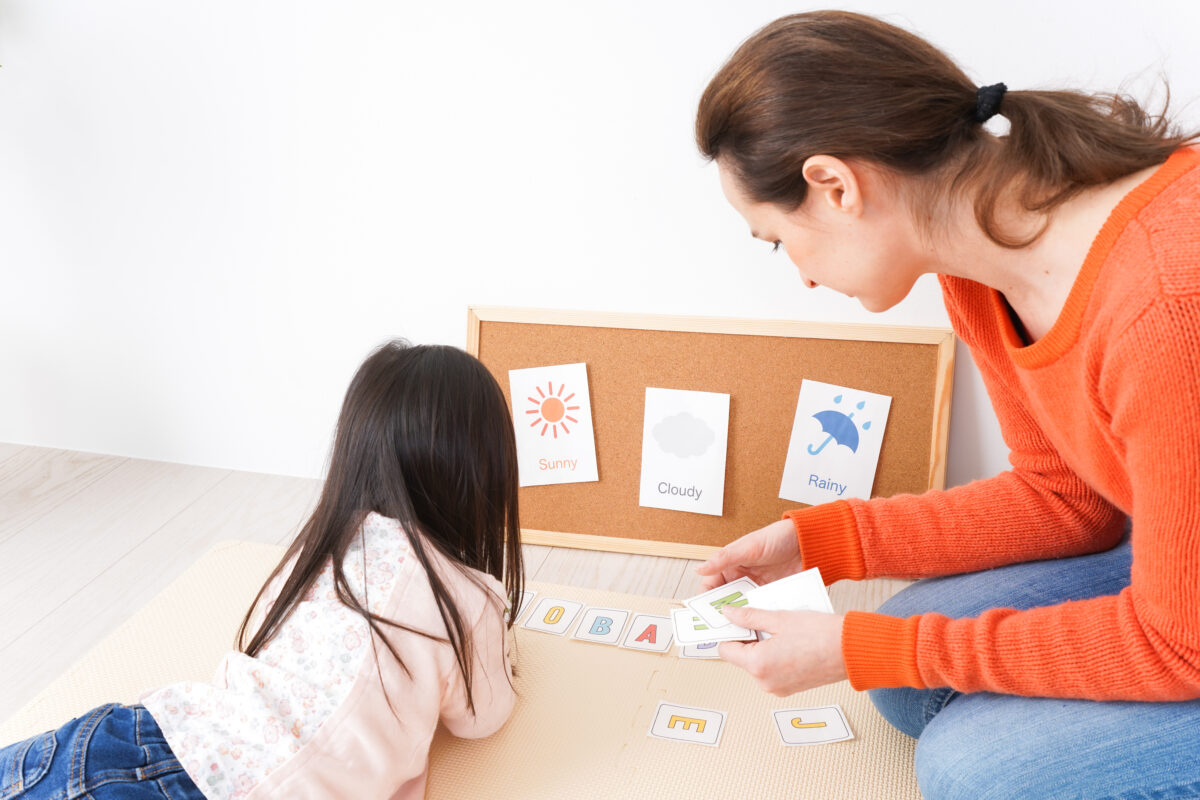
Often, we want children to learn English vocabulary, which may be difficult and boring for them. In fact, parents can try to create some simple games for children to learn these English words through the process of playing.


The first game is called “Covering the Card.” It is similar to the card game we usually play. Parents can write some words that children need to learn on white paper and draw more sheets with laughing faces. How do I play it? To begin, we must mix the cards and distribute them evenly to each player; for example, each parent and child will receive four cards. Then, take turns playing the top card. For example, if this card is drawn, read out the word, explain its meaning, and use the word in a sentence. But if a laughing face is drawn, the player needs to quickly slap the card. If the player is slower, they must take all the cards and keep them in their hands. The player with no cards in their hand wins.

https://www.shutterstock.com/zh/image-photo/children-english-school-playing-cards-1421841797


The second game is called “passing three levels.” It is actually similar to the game we usually play, but this time we have pre-written some vocabulary words in the nine squares. Then, we take turns with the child to draw some crosses or circles. For example, if I draw a cross here, I need to read, explain, and make a sentence with the vocabulary word in this square. Then it’s the parent’s turn; they might use a circle, just like in “passing three levels.” The first person to connect three cards in a straight-line win.


The third game is a memory matching game. Parents can write some Chinese characters that children need to learn on white paper and write each character twice. Parents can randomly place pairs of word cards on the table. Then parents can ask the children to take a look and remember them, and then flip the cards over. Parents and children take turns flipping over two cards. If they match, the child is asked to use the word to make a sentence, explain its meaning, and read it out loud.

Punishment or reward?

Punishment or reward?

https://www.shutterstock.com/zh/image-photo/teacher-use-ruler-hit-kids-hand-1141277087


Source: Dr. Law Wai Pak, Assistant Professor of the Department of Psychology at the Education University of Hong Kong and a registered educational psychologist


When it comes to getting their kids to study, many parents feel very frustrated and wish their kids could be self-motivated. When it comes to improving their children’s motivation to learn, many parents first think of using rewards and punishments. But which is more effective, using a stick or a carrot?

In fact, I believe that most modern parents understand that punishment is not a very effective method because it can hurt children’s bodies and undermine their self-esteem. Does this mean that using rewards is more effective? For example, “If you finish your book, you can have a pack of chips.” However, this method also carries hidden risks.

First of all, this reward often has to be constantly increased in order to be effective. Secondly, when there are no rewards, children will not automatically be motivated to study. Besides using punishment and reward, is there a third way?


Here, I would like to introduce three treasures to everyone: “sense of competence,” “sense of autonomy,” and “sense of relatedness.” What is the sense of competence? It is the belief that a child can learn new things and handle challenges. Parents can choose some challenging learning materials or homework that is not too difficult or easy for their children. For example, when they come to the library to choose a book, they should not choose a book with too many difficult words. Children should at least understand 70–80% of the words in the book. In addition, parents should provide more positive and helpful feedback to their children, appreciate their efforts, and brainstorm problem-solving methods with them.


https://www.shutterstock.com/zh/image-photo/young-asian-teacher-giving-boy-high-1827876731


The second thing is the sense of autonomy. Sometimes children may have a high sense of ability, but they will not learn autonomously when they feel oppressed. What can parents do to enhance their children’s sense of autonomy? You can let them make more decisions, encourage them when they study, and only offer help when they need it. Also, don’t give them too many instructions or use rewards and punishments inappropriately, as this can erode their sense of autonomy.


Third, it’s the sense of relationship. Since birth, everyone has had a need to be loved and cared for, and when children feel loved and cared for, they develop trust in their parents. When you ask them to study again, they will take it more seriously. How can parents strengthen their sense of relationship with their children? Listen to them more often, express empathy, and interact with them with a warm attitude. The most important thing is unconditional love, which means loving them regardless of whether their grades are good or bad.

小朋友做功課慢有甚麼原因?

https://www.shutterstock.com/zh/image-photo/young-asian-teacher-giving-boy-high-1827876731


The second thing is the sense of autonomy. Sometimes children may have a high sense of ability, but they will not learn autonomously when they feel oppressed. What can parents do to enhance their children’s sense of autonomy? You can let them make more decisions, encourage them when they study, and only offer help when they need it. Also, don’t give them too many instructions or use rewards and punishments inappropriately, as this can erode their sense of autonomy.


Third, it’s the sense of relationship. Since birth, everyone has had a need to be loved and cared for, and when children feel loved and cared for, they develop trust in their parents. When you ask them to study again, they will take it more seriously. How can parents strengthen their sense of relationship with their children? Listen to them more often, express empathy, and interact with them with a warm attitude. The most important thing is unconditional love, which means loving them regardless of whether their grades are good or bad.