
Dual Efforts Lead to Faster and Better Learning for Children

Dual Efforts Lead to Faster and Better Learning for Children
Written by: Education Expert, Principal Kenneth Law

We all understand that each student is an independent individual, so the speed of learning varies. However, if there are methods that can make children learn faster and better, it is undoubtedly something both parents and teachers would be pleased to see. How to help children learn faster and better is also a topic of research for many scholars.


One key factor affecting the speed of a child’s learning is the amount of existing knowledge they possess. Existing knowledge refers to what the child has learned and mastered, not only the knowledge acquired in school but also part of the knowledge gained in daily life.

Learning is like building a scaffold, gradually laying a solid foundation. Lev Vygotsky, a modern psychologist highly regarded, believes that the learning process is like constructing a “scaffold,” progressing from low to high, from small to large, using one metal rod at a time. The term “scaffold” is equivalent to the bamboo scaffolding commonly used by the Chinese. Of course, in the context of learning, it’s metaphorical.

Describing learning as constructing a scaffold brings several insights. Firstly, laying a solid foundation is crucial. Secondly, learning must proceed step by step; if one rushes and neglects certain aspects, the knowledge won’t be firmly established. Furthermore, as long as one diligently learns step by step, they will surely accumulate more and more knowledge. Additionally, different individuals can construct different shapes of bamboo scaffolding, and knowledge is not static; it evolves continuously with the development of the times.
Once the learning theory of Vygotsky is understood, the importance of existing knowledge becomes self-evident. Existing knowledge is like a bamboo scaffold already constructed, and new knowledge is added on top of the existing scaffold, making it higher and larger. The more existing knowledge one has, the more reliable it becomes, and learning new things becomes easier. There’s no need to look around distractedly, and the learning speed becomes faster.

Make good use of spare time to broaden the scope of knowledge

The content learned and the time spent in school by students may not be extensive. Therefore, making good use of spare time becomes relatively important in enhancing a child’s academic performance. Making good use of spare time does not mean participating in more training classes or doing additional supplements. On the contrary, because schools already provide comprehensive and systematic courses, it is even more crucial to focus on expanding a broader range of knowledge during spare time, making the foundation of the “bamboo scaffold” broader.
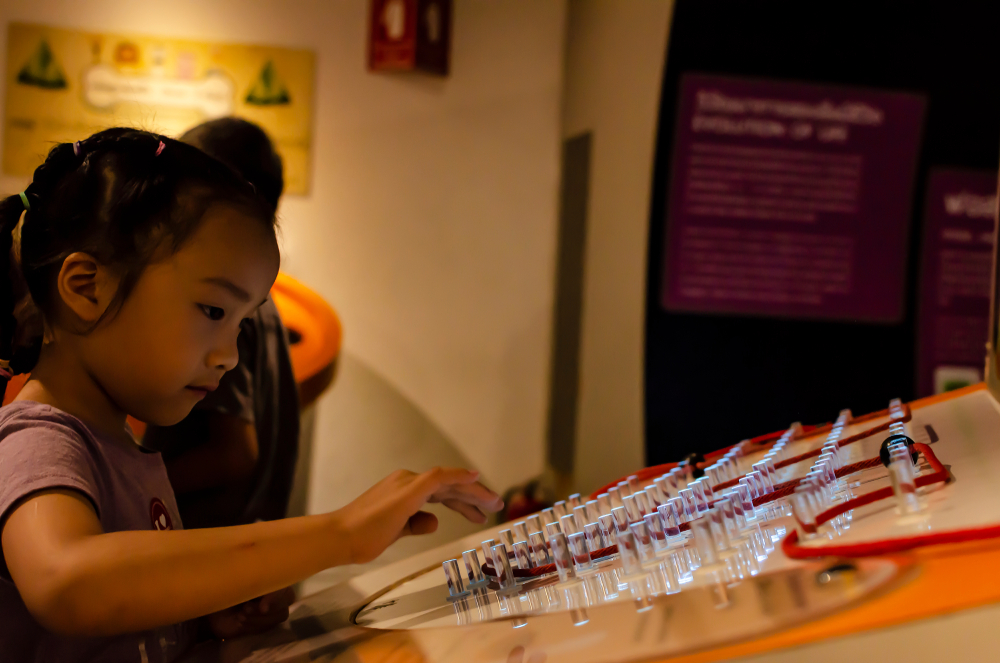
Reading books, visiting museums and exhibitions, and traveling along nature trails can all broaden a child’s horizons and expand their range of knowledge. Parents can allow children to have more autonomy, letting them choose activities they enjoy. Providing children with the space to make choices can also cultivate their ability for self-directed learning, self-discipline, and a sense of responsibility, which are essential for their future.

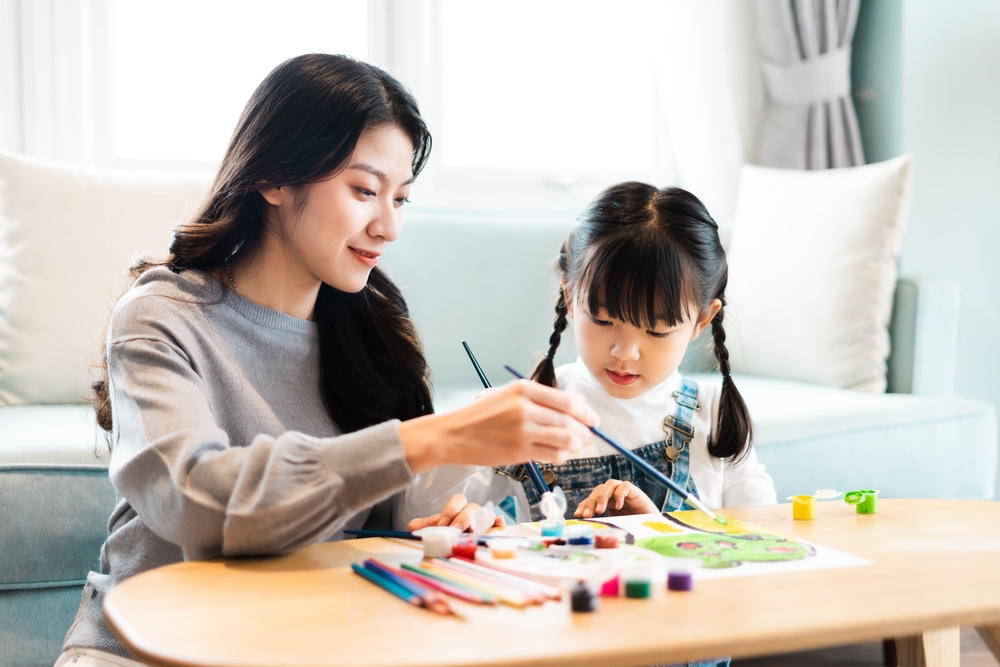
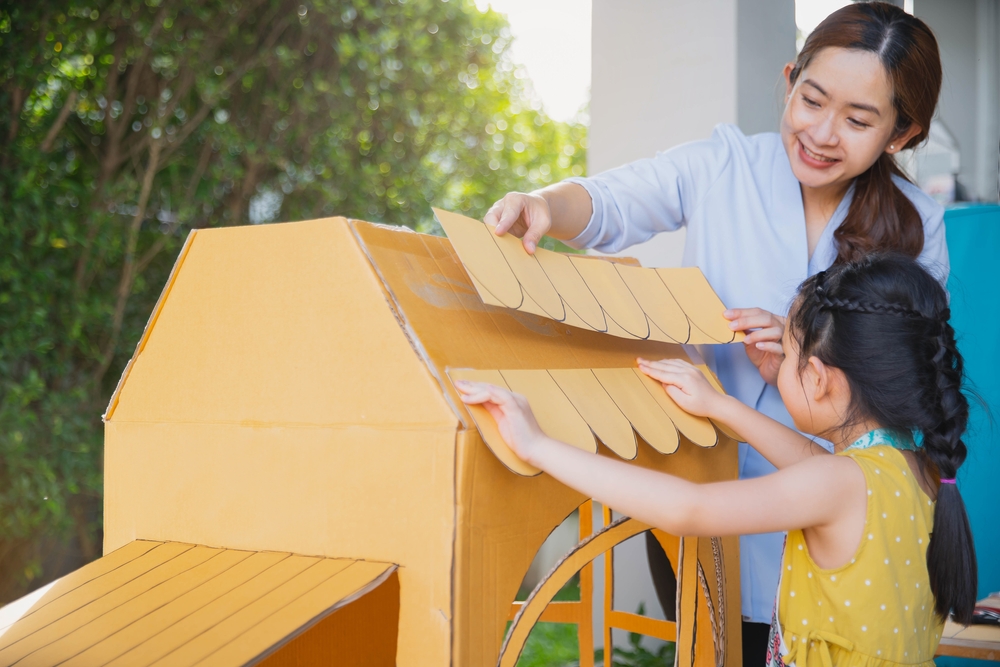
Parent-child creative art creation

Parent-child creative art creation

Everyone has creativity and artistic potential. If properly nurtured, it can enhance one’s moral sentiments and make life more perfect. In the artistic atmosphere, diverse activities inspire individuals’ creativity, aesthetic sense, and diverse abilities, promoting holistic development. ‘Love’ is the driving force of creation. In a free, democratic, safe, and harmonious environment and atmosphere, it is the expression of ‘love,’ emphasizing mutual tolerance, acceptance of different opinions, and respect for and acceptance of others. So, how can parent-child creative art creation express ‘love’? Here, the author shares his views with all parents.


The significance of parent-child creative art creation:

  • Art education starts with individuals. Parents try to engage in artistic creation to cultivate their children’s artistic accomplishments.
  • The first lesson of art education begins with ‘listening’ and ‘acceptance.’ Parents learn to accept the diverse ways in which children express their creativity.
  • Through the joint participation and experience of parent-child art creation, parents can get closer to and understand their children’s hearts.
  • Parent-child art creation helps children to understand themselves and release emotions and stress.
  • By integrating an atmosphere of mutual appreciation and respect, it reduces parental stress and anxiety, thereby enhancing parent-child relationships.
  • Making parent-child fall in love with creation, integrating art into life, and enhancing the quality of life.

Artistic Cultivation Tips


  • Cultivate a kind of knowledge in being human and enhance the ability to share, that is, ’empathy.’
  • According to the research of psychologist Hoffman on the development of human empathy, ’empathy’ is the ability to understand the feelings of others and to put oneself in their shoes.
  • The three steps of ’empathy’: (1) Imagine standing in the other person’s position (2) Identify the other person’s true feelings (3) Convey understanding and feelings to the other person.
  • Empathy’ is an important ability in interpersonal relationships. Only those with ’empathy’ can establish good interpersonal relationships, self-discipline, and a sense of responsibility.
  • Children at the age of 2 to 3 can already understand the feelings of others. In order for children to be compassionate, possess ’empathy,’ and understand love and care for others, it is very important for parents to lead by example.
Categories
Parents Zone

Reject the Busyness. Build Parent-Child Relationships Every Day

Reject the Busyness. Build Parent-Child Relationships Every Day

Whether parents are working or full-time homemakers, they are busy every day with work, household chores, and taking care of their children. After school, children are also busy with homework, tutoring, and reviewing for exams. Leisure time is limited, and bedtime comes early. Dr. Wong Chung Hin, a specialist in psychiatry, points out, “Parents and students in Hong Kong are very busy, but we need to learn to ‘preprocess’ emotions or stress before they erupt, and establish a good parent-child relationship. Parents should set aside dedicated parent-child time every day to communicate with their children. Parents should also take care of their own emotions, which will help their children express their inner feelings.”

In the midst of busy daily life, parents need to take good care of themselves first in order to better care for their children. Dr. Wong suggests, “Rather than dealing with emotional problems after they arise, ‘preprocessing’ is more important. Parents can establish healthy habits with their children, ensuring they have sufficient rest. Many students have tutoring and homework to do after school, but a moderate amount of entertainment is also crucial. As mentioned earlier, daily parent-child communication time is necessary. Doing fun activities together, such as exercising, not only builds quality parent-child time but also improves emotions.”

Dr. Wong emphasizes, “Parents should review their disciplinary expectations, adjust disciplinary methods according to their children’s abilities to avoid putting too much pressure on them. Parents need to understand that every child will grow up, want to be independent, and have their own thoughts. Parents can understand the reasons behind their children’s behavior, such as not wanting to go to school or declining academic performance. Parents should investigate whether the underlying cause is excessive learning pressure and communicate with the school to make adjustments to their child’s learning.”

In fact, children’s emotions can be influenced by the emotions of their parents. Dr. Wong explains, “When children have emotional issues, it may be partly influenced by family history. However, in many cases, children with emotional problems have parents with poorer emotional well-being. Parents should always be aware of their own emotional states to avoid expressing emotions inappropriately. For example, when parents are dissatisfied with their children’s behavior, they may burst out in anger, which not only affects the parent-child relationship, making the child at a loss and afraid to communicate with their parents, but also influences the parents’ own perceptions, negatively characterizing the child’s behavior as ‘disobedient,’ ‘pretending,’ and lazy.”

Parents most commonly face the situation of children “not listening at all” and may find it hard to refrain from getting angry. However, Dr. Wong reminds, “During these times, parents should not confront their children directly. Instead, they can find a space to calm themselves, for example, by doing some slow breathing exercises to soothe their emotions. Once the parent has calmed down, they can then address the child and understand the underlying reasons for the child’s behavior. If parents cannot control their emotions, it will only complicate things and make it difficult to have a chance to communicate with their children.”

Dr. Wong suggests, “Everyone has a different personality, and the methods for handling stress also vary. Parents can work together with their children to establish stress management methods, whether it’s through exercise, drawing, listening to music, taking a good rest, or simply relaxing. However, when parents notice that their child’s emotional issues have persisted for a prolonged period, or have started to affect daily life, and especially if there are signs of self-harm or suicidal thoughts, parents should seek professional assistance for their children as soon as possible.”

Dr. Wong concludes with a message to parents: “Many parents are currently juggling work commitments, but it’s important for parents to consider setting aside a moment each day, putting work aside, and dedicating time to their children to build a strong parent-child relationship and enjoy quality time together. This way, parents can also pay attention to any changes in their children’s mental and emotional well-being, detect problems early, and prevent the development of emotional issues such as depression or anxiety.”

Children react differently to stress_ parental trust is the most important

Children react differently to stress_ parental trust is the most important

In recent days, there have been continuous reports of students attempting suicide, a situation that is cause for concern. As parents, we often feel that adults face much greater pressure dealing with work, family, and financial issues than children do. However, Dr. Wong Chung Hin, a specialist in psychiatry, reminds us: “Clinically, cases of emotional distress due to stress are observed in primary, secondary, and university students. Parents should carefully observe any changes in their children’s behavior, patiently listen to their thoughts, and refrain from making hasty criticisms. The most important thing is to believe in your children and encourage them to express themselves.”

The reasons for emotional issues arising from stress in children go beyond academic performance and include family expectations, peer relationships, school bullying, family problems, and family history. Dr. Wong recalls, “When facing the death of a family member, relatives are often busy dealing with post-mortem matters or various rituals, forgetting to take care of the child’s emotions. In addition, some children experience their parents’ divorce or even abuse, which can also affect their emotions.”

Emotional changes vary, and parents need to be attentive

Dr. Wong further emphasizes, “Some children are more adept at expressing their feelings, but many do not know how to express their emotions. As children grow older, some are less willing to share their feelings with family. Therefore, parents and teachers should pay close attention to any changes in their children’s emotions, behavior, and performance.”

Parents should pay attention to the following signs:

  1. Emotional expressions on the face, such as appearing gloomy, tense, crying, or sad.
  2. Changes in lifestyle habits, such as disruptions in sleep patterns (insomnia or excessive sleep), changes in appetite, or spending a lot of time isolated in their room.
  3. Unwillingness to go to school.
  4. Physical changes, such as diarrhea, and stomachaches. Parents might easily attribute these to health issues, but a deeper understanding reveals their connection to emotional stress.
  5. Self-harming behaviors, including self-hitting, cutting, or expressing thoughts like “I don’t want to live.”

Each child expresses emotions differently. If the child exhibits the above-mentioned signs only temporarily, returning to normal after the stress has passed, it is referred to as “Adjustment Disorder.” However, if the situation persists and continues even after the stress has subsided, seeking assistance from a professional is advisable.

When children have emotional expression issues, parents should start by trusting and not hastily criticizing.

Dr. Wong points out that these emotional problems are often challenging to detect: “Some patients, as mentioned above, may not know how to express their feelings. However, there are also cases where they do express themselves, but their parents or teachers do not see it as a problem. They don’t believe the child and instead think that their reluctance to go to school is a sign of laziness. After listening to the child’s concerns, parents or caregivers should believe the child and avoid making hasty criticisms. This is also about raising awareness of emotional issues; they may have insufficient awareness and not know how to handle them. Alternatively, they may worry that seeking help will result in negative labels from others and be hesitant to seek medical attention.”

Dr. Wong warns, “Delaying treatment may worsen the condition, possibly leading to irreparable situations. Some parents worry that taking their child to see a doctor means resorting to medication and fear potential side effects. However, the truth is that medication is not the only form of treatment. It needs to be assessed first and can be complemented with psychological therapy. Many cases involve individuals who believe they are fine or expect to heal on their own after a while, leading to prolonged conditions.”

Once a child’s emotional changes have been occurring for a significant period, impacting daily life, or if thoughts of self-harm or suicide emerge, seeking help promptly is imperative. Dr. Wong also reminds parents that if a child reads news about suicide recently, parents should be by their side, explaining that this is not a solution to emotional problems, to prevent the news from affecting the child emotionally.

Enhancing Resistance through Lifestyle Habits

Enhancing Resistance through Lifestyle Habits

Written by: Registered Public Health Nutritionist (UK) and Nutritionist, Ng Pui Yu

In my online community, parents often ask, “What should children with sensitive airways/frequent colds eat to strengthen their immunity?”

When children are sick, it’s not only hard for them but also for parents who care for them day and night. There are many viruses that can cause colds, and since young children haven’t been exposed to them before, they haven’t developed the necessary antibodies, making them more susceptible to illness. It’s normal for young children to have 6 to 8 or even more colds in a year. Additionally, immune health is related to conditions like nasal sensitivity, airway sensitivity, and eczema.

Of course, if lifestyle habits can be improved to enhance immunity, recovery from illness can be faster.

Daily Exercise for a Strong Physique

Today’s children lead busy lives, attending school, extracurricular activities, and tutoring classes daily. Moreover, most parents work full-time, limiting the opportunities for their children to engage in physical activity. Besides paying attention to a child’s diet, it is crucial for parents to schedule 30 to 60 minutes of exercise for their children each day. Even activities like running, climbing, playing on slides, and swinging in the park are sufficient. Developing a habit of regular exercise should start from a young age. The author’s child, during the school years, has already begun the practice of going to the park 1 to 2 times a day, adapting to indoor playrooms on extremely hot or rainy days.

Early to Bed, Early to Rise for Good Health

According to a study by the Chinese University of Hong Kong, many children face the issue of insufficient sleep. They may be reluctant to go to bed due to busy homework schedules, waiting for parents to return home from work, and various other reasons. Some children may stay awake until 11 pm or even later. If this is the case, it becomes more likely for them to fall ill, experience poor concentration, and exhibit inadequate emotional control. Therefore, the author’s child typically goes to bed around 9:30 pm. If possible, an even earlier bedtime is recommended!

The reasons for a child’s reluctance to go to school

The reasons for a child's reluctance to go to school

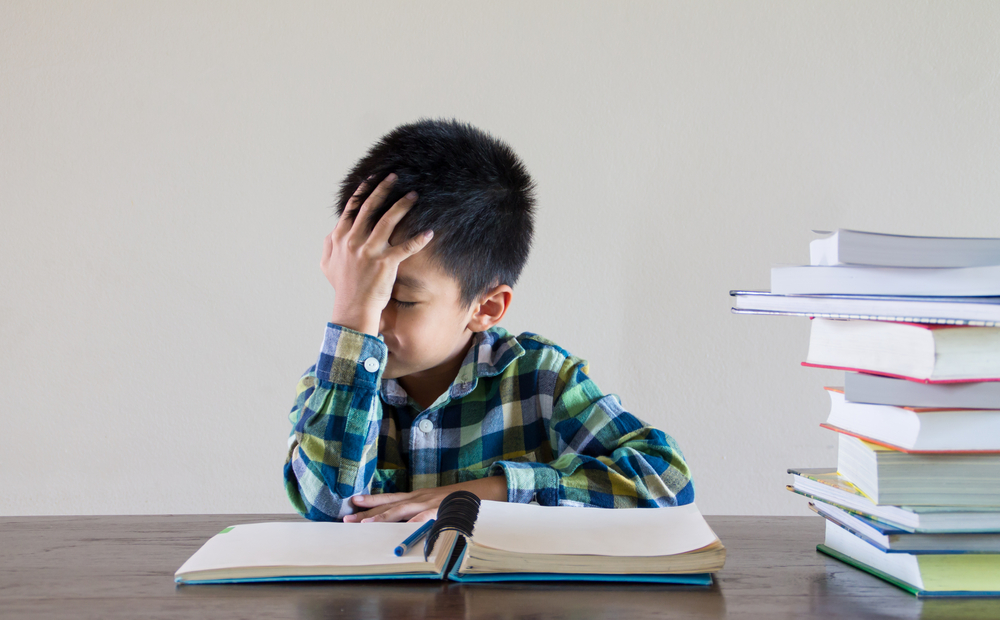
Several months ago, a girl began refusing to go to school. Initially, it was just a reluctance to attend school, but after a few weeks, she started hiding in her room, experiencing issues with eating and sleeping. Later on, she became very irritable, had negative thoughts, and even had difficulty breathing, shortness of breath, and started feeling anxious. She also couldn’t sleep at night and wanted her mom to be with her, but her mother had to work and couldn’t stay with her, so she sought medical advice. A child’s refusal to attend school is causing a lot of anxiety for many parents. Skipping school for a day or two may be acceptable, but not attending for one to two months can result in falling behind in studies, and the child may miss exams, potentially leading to grade retention. This is a problem that many parents find distressing.

In fact, not attending school is just a symptom, and the most important thing is to understand the underlying reasons. There can be several reasons for not attending school, such as social issues, bullying, shyness, academic problems, or attention deficit problems. Additionally, anxiety and depression could be bothering the child, and in some cases, it may go unnoticed for years.

If these issues are not addressed in a timely manner, they can build up, and the child may eventually become unable to cope and refuse to go to school. A child’s reluctance to attend school can also be linked to family issues, changes in family dynamics, or changes in the home environment as a way to seek attention.”

These various reasons could all lead to him not going to school. The most important thing for us is not to jump to conclusions and the next judgment. If parents point out directly that he is lazy, unwilling to face, and wants to avoid going to school, it will only put more pressure on the child. Instead, we should approach it with empathy and help the child gradually break down the issue. Many times, the difficulty lies in the fact that they may not be willing to speak out because they may not even know the reasons themselves. When you ask him, he won’t say, or he may answer that he doesn’t know, which can be challenging for parents. Parents should not give up in this situation, and they should not use a critical approach.

Parents must not excessively force him. Try to have a conversation with him in a friendly manner and guide him to reveal the underlying reasons and the specific challenges he faces. Because it is crucial to have this information, if you force him, he will shut down and not communicate with you, making it even more challenging later on. I’ve encountered many cases where parents tried everything to get their child to school, and when they finally did, the child blamed their parents for forcing them to go to school, which made them even more afraid later.

First, we should avoid using intense actions to force him and try to understand the reasons behind his behavior. If he starts to gradually open up and talk, that’s a good sign. But if you feel that it’s too difficult to get through to him, and he’s becoming increasingly resistant to going to school, that’s when we recommend seeking professional help to identify the root causes of the problem.

Is parent-child reading becoming stressful?

Is parent-child reading becoming stressful?

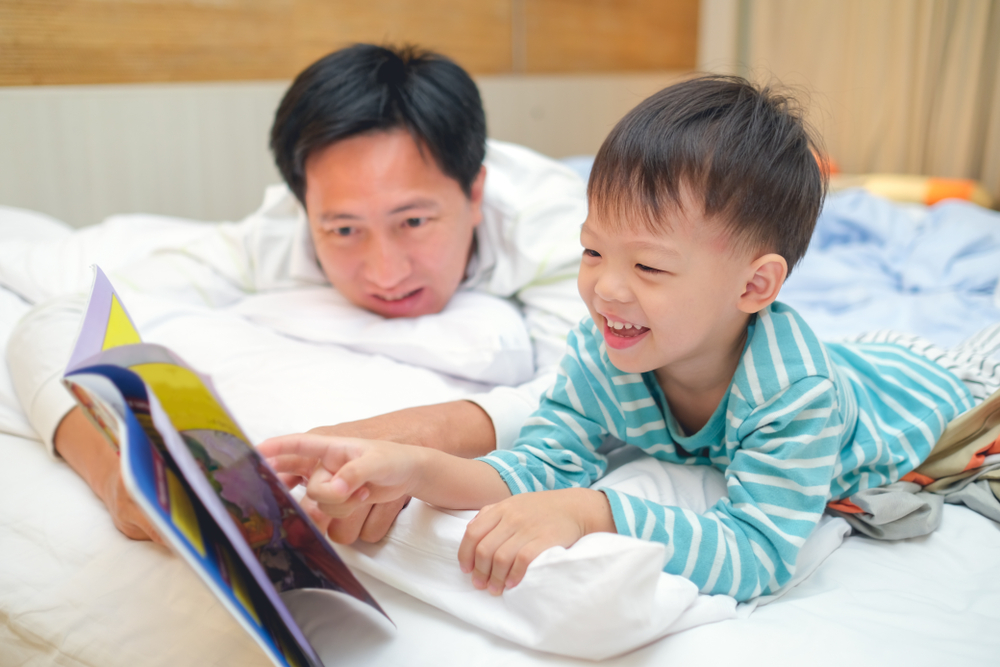
Do you have kids who insist on you telling them stories? And not just any stories, they want you to keep going. When you come home from work, they have a stack of books and won’t eat until you finish all of them or want you to keep going for two hours. This is a common issue that I frequently encounter in my lectures. Parents, think about it: when you engage in parent-child reading with your kids, what do you hope for the most?

You certainly hope to create a warm memory because when they listen to your stories, they are especially well-behaved and feel secure. However, if the children turn listening to stories into your stress, demanding many stories, even refusing to listen to others, and only wanting to hear you as if they’re monopolizing your personal time, you should consider how to resolve this issue for yourself.

I suggest that in the context of parent-child reading, spend a good 15 to 20 minutes sharing a story with your child, and even half an hour is fine. However, if you find yourself spending two hours each day telling them an entire book, and they still feel unsatisfied and demand that you keep going as if they’re controlling you, it’s no longer a parent-child reading relationship but more of a tutoring relationship. We should set an example and tell the child, “I need to have some personal time. Today, storytime is 15 minutes, and Mom will tell you two books. After we’re done, we can do other things, or we can discuss the story we just read while you’re playing or eating.”

You shouldn’t turn into a radio, constantly narrating stories like a recording machine, as that’s not what we want in parent-child reading. So, parents, remember that when your child asks you to tell a story, it’s a joyful moment. We shouldn’t be afraid of telling stories to our children. Instead, we should control our time, casually finish a story in about half an hour, and then have a meal together or engage in play, followed by discussing the story. I believe that in a quality parent-child reading relationship, children will develop a greater love for reading and see it as a path to new horizons.

Categories
Parents Zone Parents Zone Parents Zone Parents Zone Parents Zone Parents Zone Parents Zone Parents Zone Parents Zone

The four major preparations for enrolling in first grade

The four major preparations for enrolling in first grade

In fact, preparing for the transition to first grade can be more stressful and time-consuming. If you were to ask me, I would recommend that parents should start from Pre-Nursery to “analyze first and then plan.” But how to analyze first?

Many parents are not entirely clear about the various types of schools in Hong Kong. For instance, we have traditional government-subsidized schools, Direct Subsidy Scheme (DSS) schools, private schools, and international schools. What are the differences between these types of schools? What are their educational philosophies? What is the ideal type of school for parents based on their financial situation and aspirations?

They should first understand and analyze this, which will give them a goal. Once they have a goal, we can move on to the next step, which is to personally attend the orientation sessions of each school. Why do we believe that parents should start preparing from Pre-Nursery (PN)? Because many schools often hold orientation sessions only once a year. These orientation sessions often occur at the same time. If we wait until the year of K2 to attend these sessions, and we are interested in three different schools, and all of them schedule their sessions on the same Saturday at the same time, parents may miss out.

Secondly, it’s important to note that these orientation sessions have limited spots. While many people may sign up, there are often only a few hundred to a thousand slots available. During the course of a single day, there may be over 5,000 registrations. With such high demand, it’s possible not to secure a spot, which means you won’t have the opportunity to attend. This is why we need to prepare one to three years in advance, considering whether the school’s philosophy is suitable for your child.

If you have been attending orientation sessions for your preferred schools for the first one or two years, by the final year, you should revisit your top one to three choices multiple times. This is because educational changes in Hong Kong happen rapidly and frequently. By attending multiple sessions, you can confirm your preferred school.

In many cases, the first time someone attends may be the mother, and the second time, it may be the father. It’s essential for the family to be in agreement, so attending orientation sessions together to understand the school’s philosophy is crucial. Once everyone has a shared understanding, you can move on to the third step, where the family sits down to discuss the direction of your child’s education. What kind of education do you envision for your child’s future? Do you want a very traditional teaching method, or do you want a happy one? Some schools are called “Happy School,” but many parents mistakenly think that a “Happy School” may not be effective.

In fact, there are two major categories of “Happy School” now. Some “Happy Schools” focus solely on happiness, but their curriculum may not align with the first-grade curriculum. Others combine happiness with effectiveness, and students from these schools have the ability to select their preferred schools because they can keep up with the first-grade curriculum. Therefore, parents need to understand what a “Happy School” is, what their teaching philosophy is, and how effective they are.

Once parents reach a consensus, it’s time to truly and thoroughly select the school that is most suitable for the child. Many times, parents may choose the best school for their child because it’s considered the best. However, what is considered the best may not necessarily be the most suitable. As parents, our goal should be to find a school that is the best fit for our child. For example, if a child is very active, parents may wonder whether they should choose a more traditional school that enforces discipline and expects students to sit still. But what if the child is like a “wild horse” and sitting still is not their nature? Or if a child struggles with English, should they attend an English primary school, or should they go to an international school?

In reality, consider this: if a child’s learning abilities are far from meeting the school’s primary requirements, they may not even want to go to school. If a child is weak in English and strong in Chinese but chooses an English primary school, they might not understand what the teacher is saying, and they would have no interest in English at all. In this case, you could argue that the child doesn’t need to attend school because they won’t grasp what the teacher is teaching, and their poor performance in English could negatively impact their overall academic progress and their interest in learning.

Parents often ask how to make the right choice. To analyze this, let’s use the analogy of a small fish in a big pond versus a big fish in a small pond. If a child attends a school where their learning abilities and performance are in the middle to upper range within that school, their confidence will increase, and they won’t feel inferior to their peers. However, if they attend a school considered “good” or prestigious but their abilities are not up to par, they may struggle and feel like a small fish in a big pond. In this scenario, the child is likely to be unhappy throughout their learning journey and may feel underestimated.

So, I would recommend that parents, first and foremost, understand how to choose a suitable school. You need to comprehend the school’s educational philosophy and evaluate the academic standards for students after they enter first grade to determine if your child is a good fit in terms of English, Chinese, and mathematics. If you believe that your child can handle these aspects well and is already coping with them, then this school is likely the right fit for your child.

Is your eye sensitive when the seasons change? What is keratoconus?

Is your eye sensitive when the seasons change? What is keratoconus?

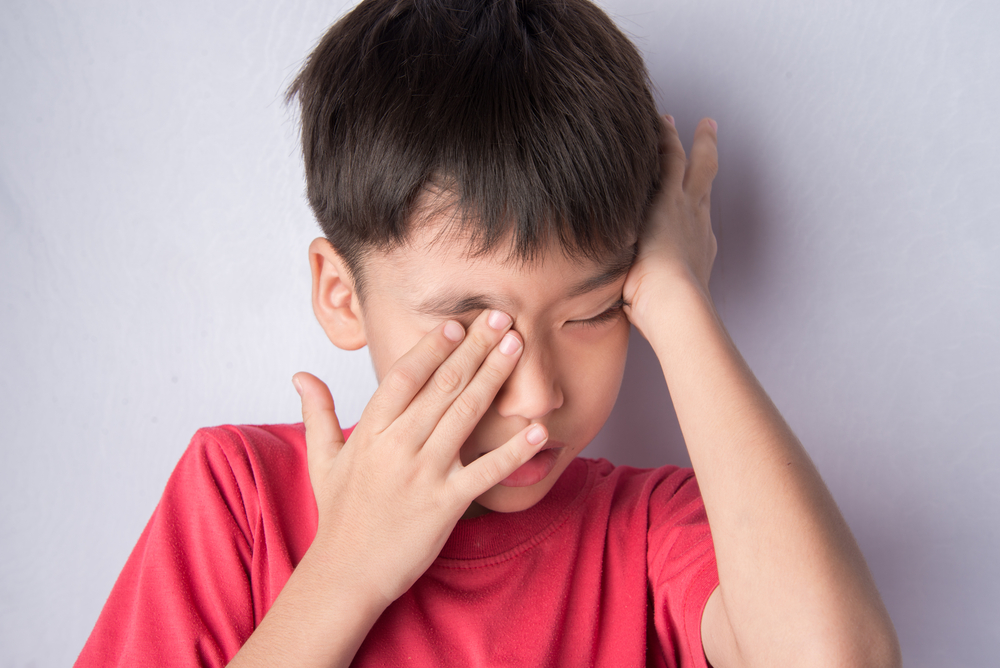
During seasonal changes, children often rub their eyes, and their eyes may become watery, mostly due to eye allergies. About 10 to 20 percent of children experience eye allergies, and the severity can vary depending on the season, with more severe cases occurring in the fall and winter.

Common symptoms when children have eye allergies include redness of the eyes, eye swelling, frequent eye rubbing, dark circles under the eyes, and excessive tearing. Sometimes, there may also be swelling of the eyelids and conditions similar to eczema on the eyelids. Typically, children with eye allergies may also have conditions like skin eczema, asthma, or nasal sensitivities.

The causes of eye allergies are often related to genetics, but they can also be influenced by changes in weather, humidity, and temperature. Additionally, air pollution, dust mites in the home, and owning pets are common contributing factors.

In fact, for the majority of individuals with eye sensitivity, it doesn’t affect their vision. However, a small percentage of children may have more severe eye sensitivity that persists beyond seasonal variations. In some cases, the cornea may become damaged or scarred, leading to vision impairment.

As for keratoconus, it’s a corneal disorder where the curvature of the cornea, which is typically stable, continuously deepens in a small percentage of individuals. In the long term, even with eyeglasses or contact lenses, vision cannot be corrected, and surgery or other treatments may be necessary. Presently, for the treatment of keratoconus, a procedure involving corneal collagen cross-linking is used to stabilize the corneal curvature and slow down the progression of deepening.

Does a child having few friends indicate tendencies toward autism or social disorders?

Does a child having few friends indicate tendencies toward autism or social disorders?

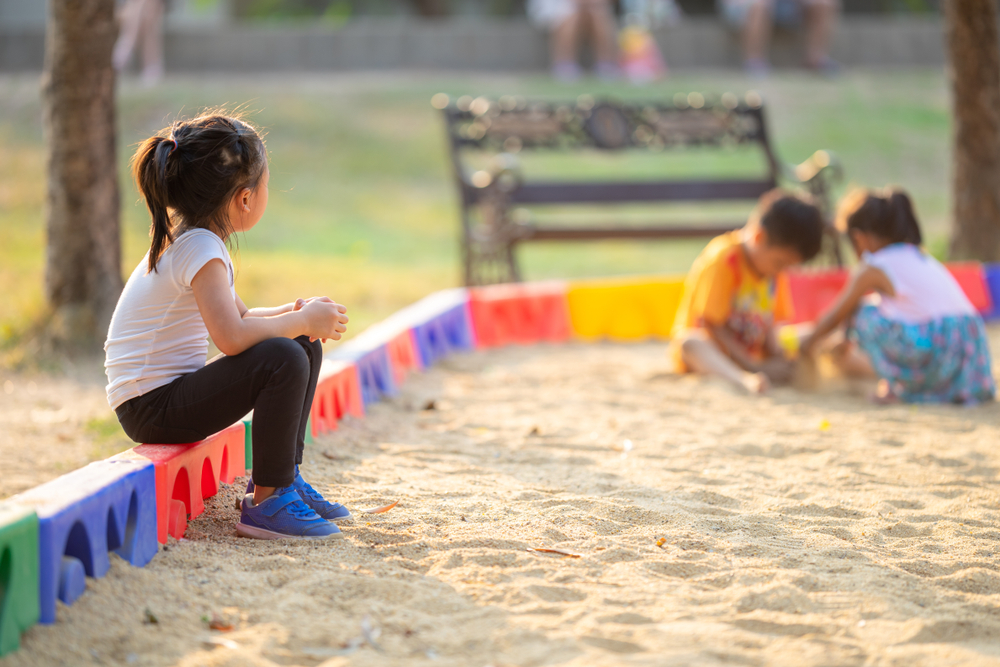
Parents often worry about their children and ask, “Have you made any friends at school?” However, when the child responds with “I don’t have any friends” or consistently mentions the same friend, parents may begin to worry if their child has tendencies toward autism or social disorders.

In reality, some children have been this way since childhood. They may have a preference for playing with objects or toys rather than socializing with peers. Even in higher grades, they might immerse themselves in activities like building puzzles, engaging in quiet activities, or conducting experiments independently, showing a strong focus, but not necessarily an inclination to play with others. These children are introverted but not necessarily autistic. Just like adults, some adults may not be talkative, but they can be attentive and observant. They may not cast a wide social net, but they might have a few close and long-lasting friendships. These are aspects of personality.

The second scenario is that some children, even if they enjoy playing with others, tend to prefer interacting with older peers or even adults. They might like to hang out with teachers, engage in conversations with teachers, but not necessarily enjoy playing with their same-age peers. From a teacher’s or parent’s perspective, it can be easy to perceive this as a social problem. These situations often occur, especially among gifted or academically inclined children.

Typically, normal children begin to grasp the concept of friendship around the ages of 4 or 5, and this understanding gradually develops after the age of 3. Therefore, they also start to learn empathy and consideration for others around the ages of 4 or 5, which makes it easier for them to make friends. If parents notice that their child isn’t very sociable in the early years, there’s no need to be overly concerned. Many children become more capable of socializing as they progress to kindergarten levels like K2 and K3 or even in primary school.

However, it’s essential to be aware that some younger children who appear more mature might establish someone as their best friend right from Pre-Nursery (PN) or Kindergarten 1 (K1). This is a normal part of a child’s development. Often, as these children grow older and communicate more, they may form new friendships and share more with others.

Lastly, parents should be mindful of whether their child’s difficulty in making friends might be related to language skills. In my experience, I’ve observed that from the second half of PN to the first half of K1, children’s language skills begin to develop rapidly, leading to significant differences in their ability to express themselves. Children who are more talkative or proficient in speaking may naturally gravitate towards one another. Even in higher grades, you may find that children who enjoy speaking English tend to play together, while those who prefer speaking Chinese form their own groups. These dynamics can impact the social and emotional well-being of children with weaker language skills. Therefore, parents should pay attention to their child’s relationships with classmates and provide more care and support to their child as needed.

If parents genuinely find that their child has difficulty making friends, they can consider the following points. Firstly, it’s essential to understand the child’s natural personality. If a child is introverted, this is not a problem or a fault. What matters most is not to place too much pressure on yourself or the child. Otherwise, the child may begin to question their own personality and even doubt themselves. During a child’s early development, it’s crucial to provide an environment filled with love and encouragement. In such an environment, the child will notice the admiration of those around them, which will boost their self-confidence and make it easier for them to take the first step.

Secondly, many children might not dislike making friends, but they may have a preference for playing with older children. They feel that playing with older kids offers learning opportunities or a sense of challenge. Some boys may even enjoy the competition that comes with running faster than their peers. So, parents should pay attention to whether their child, due to being exceptionally intelligent, mature, or talented, tends to gravitate towards older peers or even adults.

Lastly, parents should consider the child’s language expression abilities. If there is a deficiency in language skills, it’s best to address those language skills first and then work on developing social skills. If language skills are not the issue, pushing the child too hard to make friends can actually harm their self-confidence. When you repeatedly ask the child why they don’t have friends while others do, the child may begin to question themselves and feel worse about the situation.