
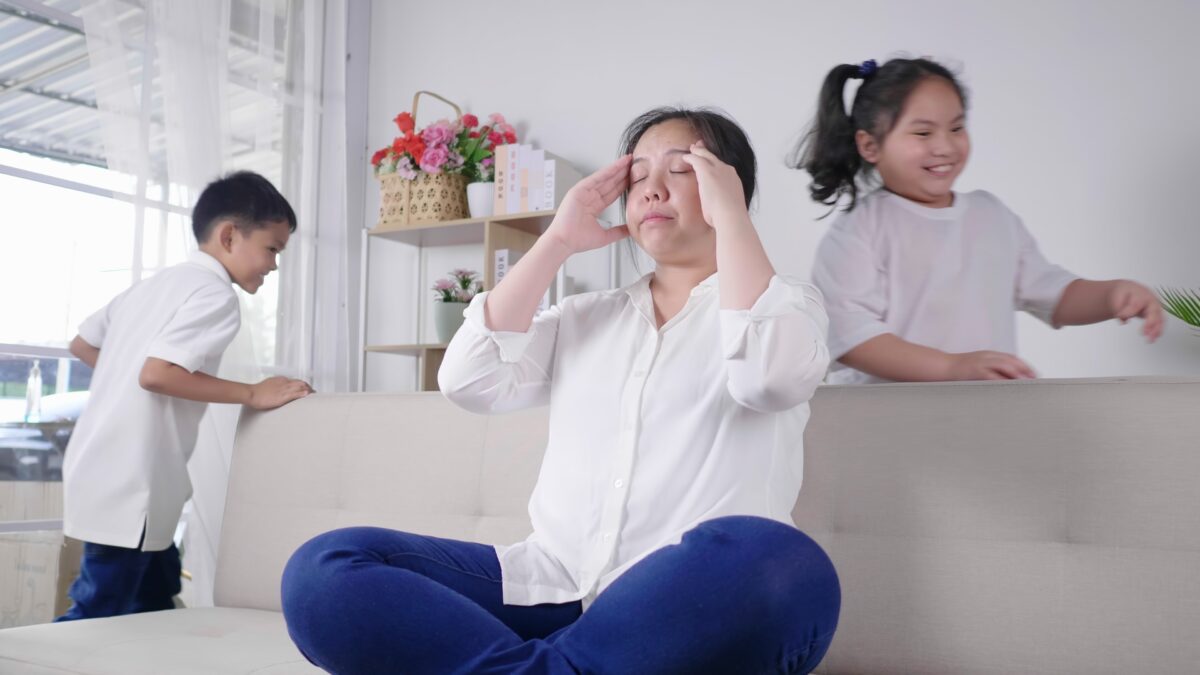
Children are two different beings at home and school?

Children are two different beings at home and school

Written by: Dr. Szeto Wing Fu, Chairman of the Hong Kong Institute of Family Education

A teacher asked me, “Many parents seek my advice on education and disciplining their children. As a new teacher with limited life experience, I often feel inadequate in dealing with complex education policies and child-rearing issues. What should I do?”

Every semester, the school arranges one or two opportunities for parents to meet with teachers and discuss their children’s performance at school. As a father, I always strive to attend these meetings together with my wife. After each brief gathering, our son would eagerly ask and want to know what we discussed with the teacher about him. Recently, the teacher mentioned that our son is relatively quiet at school, not very proactive, and often takes on the role of an “observer.” My wife couldn’t wait to say that he is completely different at home, very active and full of “many opinions.” The teacher’s reaction was not surprised but rather smiled continuously, seemingly very accepting of the fact that children can present different sides at home and at school.

My wife naturally looked at the teacher with expectant eyes, hoping to get some guidance on how to make our child more proactive in the learning environment. Fortunately, I spoke a few “fair” words, recalling how our son was fearful and often a “lone ranger” when he first started school last year. Over the past year, our evening prayers with our son have always included a request to our Heavenly Father to make him braver, and this year he has made much progress. On the way home, I also reminded my wife that there are no standard answers or miraculous remedies for many things, and the teacher, being younger than us and not yet a parent, still has experience in dealing with different children. Therefore, it is most important for parents and teachers to communicate more on the children’s journey of growth.

Embracing Our True Selves

Recently, a parent asked me: “My child is very well-behaved at school, a courteous and exemplary student, but at home, he often throws tantrums. Why does he have such different behaviors in front of others and at home? How should I handle this?”

During the first semester of my son’s primary one, there were two consecutive weeks of “inexplicable” incidents, such as his beloved “Sergeant” watch going missing, books found in the trash bin, exercise books doodled and torn. My wife and I were both baffled and still wanted to unravel the mystery in our hearts: who could be behind these incidents?

On Monday morning, my wife went to the school to discuss the incident with the teacher. However, just before leaving, I firmly told my wife, “No matter the doodles, tears, or books being treated as garbage, I am certain that our son didn’t do any of these.” She asked, “Why are you so sure?” My answer was, “Because he is my son, and I have been with him as he grew up. I know his temperament like the back of my hand.” Eventually, it was found that his neighboring classmate was responsible for those actions. Since that day, I noticed a “subtle” change in our child’s behavior between school and home – at school, he seemed to have learned that it is a community: crossing certain boundaries with books would upset classmates, and the teachers were like referees, and to “survive” he had to understand the “rules of the game.” But when he came home after school, he would immediately embrace his true self, because at home, he had his dad and mom, who understood him the most.

In fact, isn’t it true that in the adult world, we also have a different self during the day and at night?
How to handle a child’s anxiety about starting primary school?

How to handle a child's anxiety about starting primary school?

Source: Marriage and Family Therapist, Ng Yee Kam


When a child enters first grade and fails to adapt, some may frequently express their longing for their mothers at school and even experience a loss of appetite. Parents are concerned about their child’s anxiety and may continuously tell them, “As long as you do your best, Mom doesn’t care about grades!” But does this approach effectively address the child’s anxiety, or does it backfire?


First of all, parents need to understand that the transition from kindergarten to first grade is a significant change for a child. It truly takes a long time for the child to adapt. In the first-grade stage, the workload increases, rules become stricter, and teachers are more demanding. Children may experience anxiety, leading to various physical symptoms or fear of going to school.


So, how much time does a child need to adapt? It actually varies from person to person. Generally speaking, more introverted or observant children are prone to anxiety, so it may take them a relatively longer time to adapt. Therefore, parents should first understand their child’s personality and temperament, adjust their expectations during this adaptation period, and never compare their child with other children.

Dr. Daniel Siegel, an American psychiatrist, has proposed a very useful method called “Name it to Tame it.” When parents observe emotional fluctuations in their children, they first use their left brain to analyze what might be happening with their child. Parents should use both their left and right brains, empathizing with the child’s feelings and situation, and then verbalize what they perceive the child is feeling. This is the “Name it” step.


For example, you can say to your child, “Are you feeling scared? Are you feeling worried? It seems like you have no appetite. Is there something you’re anxious about?” When we are able to express the child’s emotions, we are actually delineating what the child is experiencing in their right brain very clearly.


For older children, parents can encourage them to express their emotions themselves, and parents can respond to them. This connection between the adult’s and the child’s right brain helps stabilize anxious emotions. We refer to this process as “Connect.” After the connection is established, we can engage in conversation about other topics with the child.

However, parents should remember that when a child expresses their emotions, we must avoid saying things like, “Don’t worry, it’s silly, don’t think about these things,” or “You’re fine as you are, just do your best.” If we respond with our left brain, we cannot alleviate the right brain’s anxiety or bring calmness to the child’s midbrain responsible for emotions.


Lastly, when parents are able to use emotional vocabulary and verbalize what is happening in the child’s mind, it means transforming some of the emotions in the right brain into left brain cognition. This process is called “Redirect.” When we cognitively understand what we are experiencing and feeling, our right brain will find ways to solve the problem, which is referred to as “Problem Solving.”


The sequence mentioned above is crucial when dealing with a child’s anxiety and nervousness. Besides the order, parents also need to have patience. We need to be patient in helping the child understand their emotions so that we can come up with strategies together.

How can parents deal with a more self-centered child?

How to deal with a more self-centered child?

Source: Registered Clinical Psychologist, Yiu Fong Lee


Many parents find that their children can be quite self-centered. When playing games or interacting with a group, they always want others to follow their rules. For example, a 5-year-old girl insists on playing with building blocks while her friend wants to play with cars. In such a situation, what should parents do? If the child becomes unhappy and self-centered, she may throw a tantrum and refuse to play with others. People may perceive this child as stubborn or temperamental. Here are a few methods that parents can consider to deal with their self-centered child.


First, it’s important to acknowledge the child’s emotions. Parents can approach the child and say, “Yes, I understand that you are feeling angry and unhappy right now because you really want to play with building blocks, but the other children don’t want to. Does it make you feel upset that you can’t play with the building blocks?” At this moment, parents can try patting or hugging the child, providing a sense of affirmation and closeness, allowing the child’s emotions to gradually calm down. When the child appears calmer, it’s an opportunity to help her move on to the next step.


The second step is called perspective-taking or putting oneself in others’ shoes. Encourage the child to imagine how the other person feels by entering their world or role. Parents can engage in role-playing with the child. For example, if the girl was A and the other child was B, the girl can now pretend to be B, and the parent can pretend to be A. The parent can imitate her tone and say, “I don’t want to play! I don’t like playing with cars! I must play with building blocks!” Then, the parent can ask the child, “How does that make you feel?” The child usually responds with, “He always insists on playing his way, and I don’t want to play with him. I feel unhappy.”

Parents can also ask the child, “If that’s the case, do you still want to play with this child and spend time together in the future?” The girl might respond, “I don’t really want to. If that’s the case, I’ll have to play alone by myself, and it’s boring.” Children usually want someone to play with.


Moving on to the third step, learning problem-solving. Parents can brainstorm ideas with the child, such as trying a game of rock-paper-scissors with the other child. It could be agreed that this time the winner gets to decide, and next time it could be the loser’s turn. Alternatively, we can switch and combine different ideas creatively. For example, in the case of playing with building blocks, can we play with both the building blocks and the cars? We can build a parking lot with the blocks and then let the cars drive on them. This way, we can play together.

We help the child come up with different types of solutions, but the most important thing is for them to understand how their behavior affects and impacts others, and how they can change their behavior so that others would be more willing to play with them. This is known as prosocial behavior.

Common questions about promoting to Primary School: Experts answer for you

Common questions about promoting to Primary School: Experts answer for you

Source: Education expert, Chiu Wing Tak


Question: In the scoring system for enrolling in Primary One, how are twins scored? If the two have different personalities, should they choose to attend the same school for convenience?


Answer: Actually, there is a system in place for twins. There are two possibilities: both are accepted, or neither is accepted. If both are accepted, both children will receive an additional 5 points. It is not a matter of distinguishing between “older twin” or “younger twin.” If the two children have different personalities, it doesn’t matter. In the school I used to work at, we often admitted twins, and if their personalities were different, we would assign them to different classes.


Each class is taught by teachers with different personalities, who can cater to students with different personalities, so parents can rest assured. It’s not necessary to enroll them in two different schools, as it would be burdensome for parents. However, in the case of direct subsidized schools or private schools, extra caution is needed, as there may be situations where one child is accepted while the other is not.

Question: Is applying to 20 direct subsidized or private primary schools the minimum requirement?


Answer: This really depends on individual circumstances, and every parent’s situation is different. Some parents apply to many schools out of concern. The key factor is how many schools you actually interview with. If you plan to apply to 20 schools, scheduling conflicts can become quite severe. However, the most important thing is not to burden the child too much. If the child is suffering, it will also cause distress for the parents.


Another question is, why are you applying to 20 schools? Some parents claim it’s to let their child “warm up.” But actually, you don’t need to apply to 20 schools just to warm up. If you drive the car a few times, you can warm up, right? So there’s no need to apply to 20 schools; around 5 or 6 would be sufficient. Additionally, if a child has to attend multiple interviews, their performance will gradually decline because they will become tired and exhausted. When they start giving up or feeling unsuccessful, it can greatly impact their confidence.

Question: If the first-choice primary school’s first-round interview clashes with the second-round interview of the second-choice school, both of which are popular schools, and the second-choice school has a higher chance of acceptance with the second-round interview, it seems wasteful to give up the second-round interview after the child’s previous efforts. How should I make a choice?


Answer: Are both schools equally liked by the parent? If both schools are equally liked, then of course, choosing the second-round interview school would be the option. Because with the second-round interview, there is a high chance of proceeding to the third round and then getting accepted. If you don’t equally like both schools, even if you have a second-round interview, it won’t be useful. So the key point is whether you equally like both schools. If you really like the first-round interview school, I think you should choose that one because if you are accepted to a school you really like, you will definitely go there. So the choice should not be based on which round of the interview but rather on which school you like the most.


Question: Do prestigious primary schools consider parents’ backgrounds? Will they discount the child’s admission if the parents do not hold prominent positions?


Answer: If it is a government or subsidized school, there is actually no place to fill in the parents’ background. They only consider whether you have hereditary status, whether your scores are sufficient, and whether you are lucky enough. So government or subsidized schools do not consider parents’ backgrounds. But if you are applying to a private or direct subsidized schools, there may be opportunities for them to inquire about your background or require you to provide such information. In the past, many parents were concerned that they didn’t have prestigious occupations, or their positions were ordinary, and they wondered if the school would reject their child because of that.


In my opinion, many educators, even in prestigious schools, do not necessarily consider parents’ backgrounds. They truly focus on the child themselves, and some schools may not even interview the parents. Of course, there are some prestigious schools that are concerned about the family’s income or support, but it may not necessarily be related to the parents’ occupation. However, parents should not decide not to apply to those schools just because they do not hold prominent positions.

Categories
Parents Zone

Why do children experience recurrent respiratory infections?

Why do children experience recurrent respiratory infections?

Source: Registered Chinese medicine practitioner, Tsui Chak Cheong

If a child frequently experiences recurrent respiratory infections, such as frequent colds and coughs, from the perspective of Chinese medicine, it is also caused by deficiency of Qi in the lung and spleen and deficiency of the lung and spleen, leading to a weakened immune system. These children often feel tired due to lung qi deficiency and may lack energy when speaking. If they have spleen deficiency, they may experience loss of appetite or easily have diarrhea. From the Chinese medicine standpoint, the focus is on taking care of the lung and spleen, which involves nurturing their qi to enhance their resistance.

If a child has just recovered from an illness but quickly falls ill again or experiences recurrent respiratory infections, it falls under the category of recurrent respiratory infections. For example, after recovering from an illness, the child may catch another cold within one or two weeks, leading to another respiratory infection. From the Chinese medicine perspective, it can be determined as recurrent respiratory infections in children, where the frequency and number of illnesses are higher than average.

Or it could be that in the past, it wasn’t like this. Previously, you might have gotten sick three times a year, but this year, it’s possible that within just six months, you’ve already been falling ill every month or once every two weeks. In such cases, it’s possible that there are underlying issues with your child’s health.

How can diet effectively prevent colds? The key is to have a light and balanced diet, pay attention to nutrition, and maintain a proper balance between activity and rest. In daily meals, it’s important to consume more vitamin C and vitamin A to strengthen the body’s immune system. Parents can prepare carrot soup and try to minimize the consumption of fried, heavily seasoned, and hard-to-digest foods for children because their digestive capacity is still weak, which is a characteristic of spleen deficiency. If children frequently consume fast food or indulge in hard-to-digest and highly seasoned snacks, their bodies may accumulate phlegm and heat. This accumulation, combined with the invasion of external pathogenic factors, can create a susceptibility to frequent colds.

If you want recommended soup, there is a type of soup called “Yukpingfung San.” The main ingredients of it are astragalus, white atractylodes, and saposhnikovia root. When preparing the soup, we can use these three medicinal herbs along with a lean meat and a few honey dates.

How can parents help young children adapt to primary school life both psychologically and physically?

How can parents help young children adapt to primary school life both psychologically and physically?

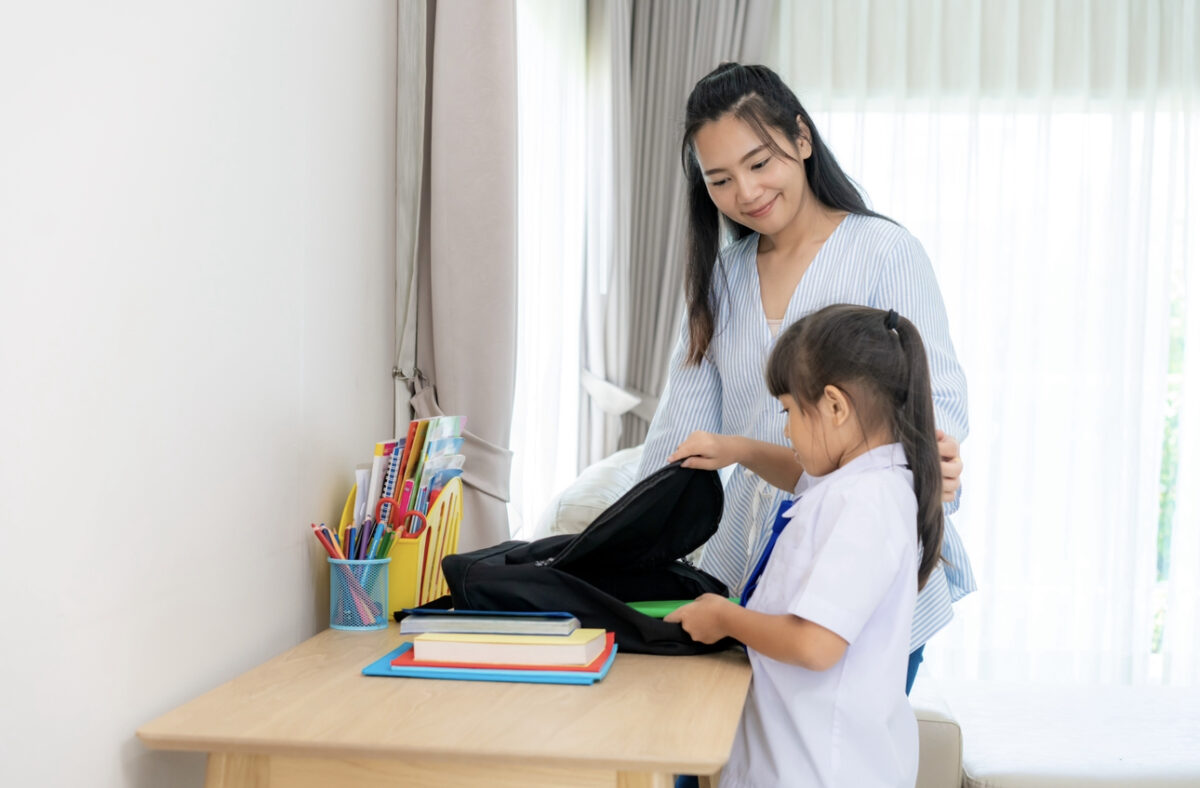
https://www.shutterstock.com/zh/image-photo/asian-cute-primary-school-girl-her-1814367872


Source:  Professor Chiu Wing Kai, Chair Professor of Sociology at the Education University of Hong Kong.


It’s already been 5 months into 2023 and summer vacation will be coming soon, followed by the start of the new school year in September. For K3 students to start their primary school life. However, these students have spent most of their 3-year kindergarten education in online classes due to the pandemic, with little face-to-face interaction. How can parents help them adapt to their new academic and social life in terms of their psychological and physical well-being.


Students who are promoted to Primary 1 are at most at K2 level because they have not returned to school for at least one full year. There are many things they need to adapt to when transitioning from kindergarten to primary school. These include school schedules, daily routines, and learning styles that are vastly different from what they are used to. Kindergarten classes typically last for around 20 minutes, after which they move on to another subject, but in primary school, classes can be 35 minutes or longer, making it difficult for them to maintain their focus. All of these issues can create significant adaptation problems for young students.

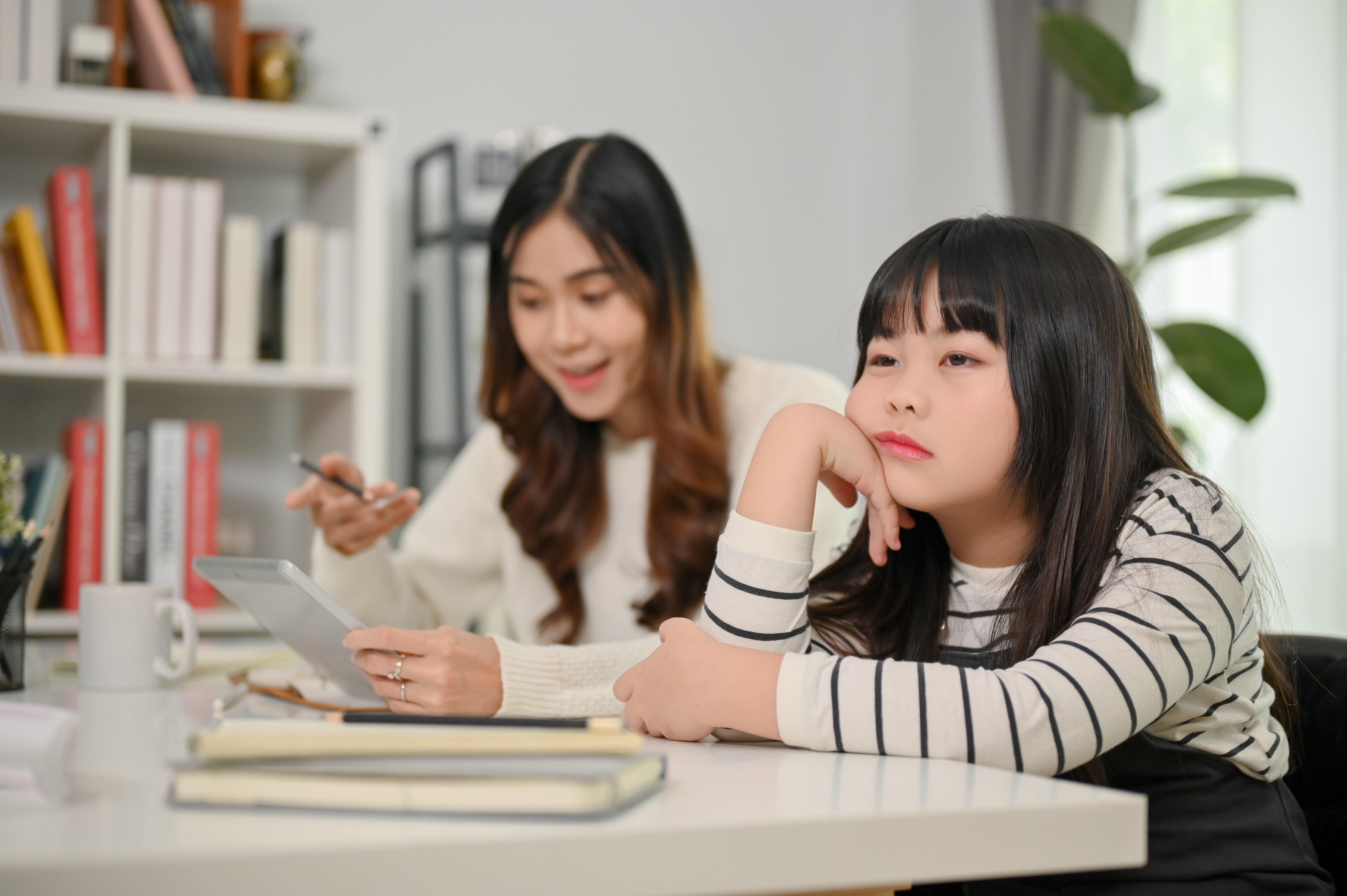
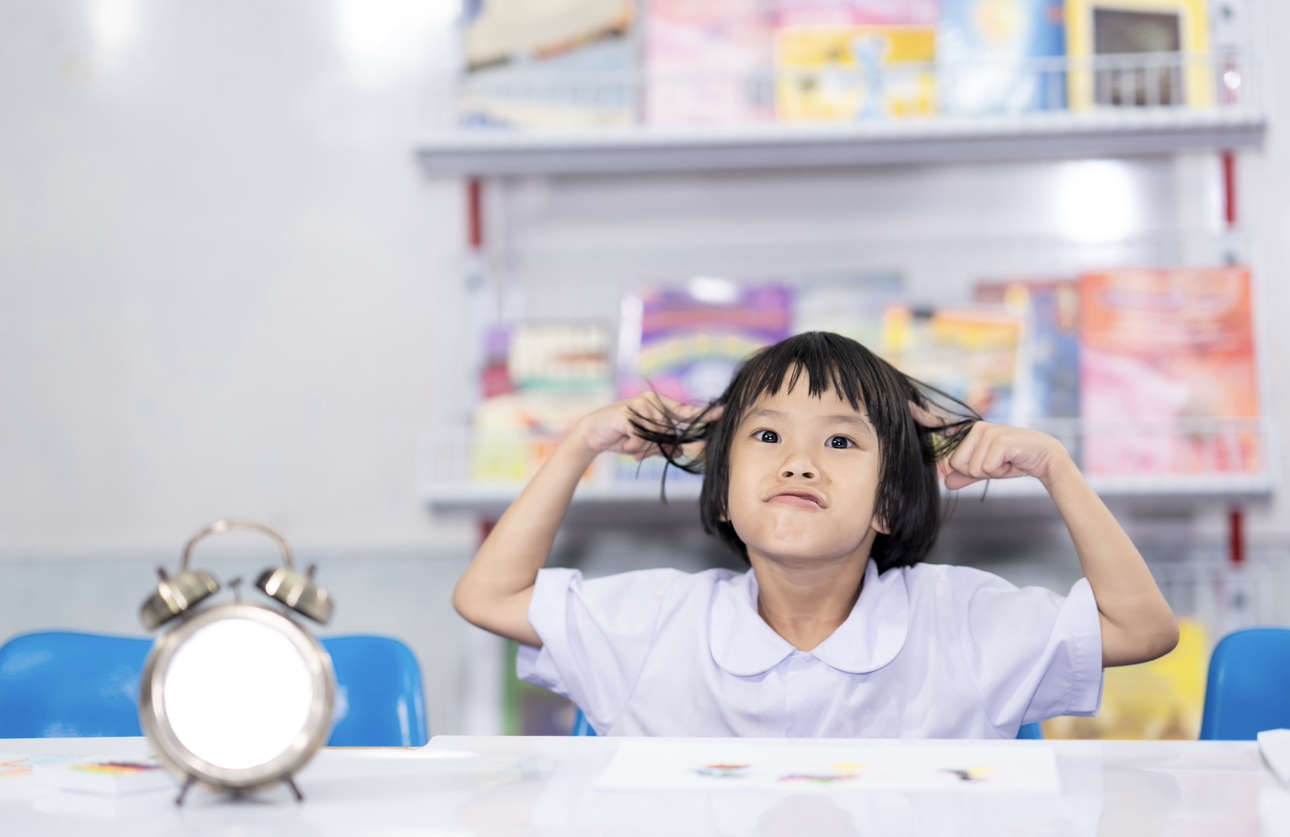
https://www.shutterstock.com/zh/image-photo/kid-student-bored-angry-show-on-1187507677


So how can parents explain these changes to their children? Firstly, parents should not be too anxious, as many primary schools offer simulation courses and adaptation weeks for new students, as well as school visits. Primary schools are usually much larger than kindergartens, and young students may be excited about the various facilities and opportunities available to them. However, it is best to start talking to them once they begin school, as too much information too soon may be overwhelming. Simply telling them, “Yes, this is what school is like” is often enough.


Additionally, some things that young students may not be capable of now do not mean they cannot accomplish them, they just need time to grow and develop. Parents need to remember that every child has a different growth rate. After starting school, observe their emotional changes when they return home from school, and if you notice any issues, pay close attention to them.

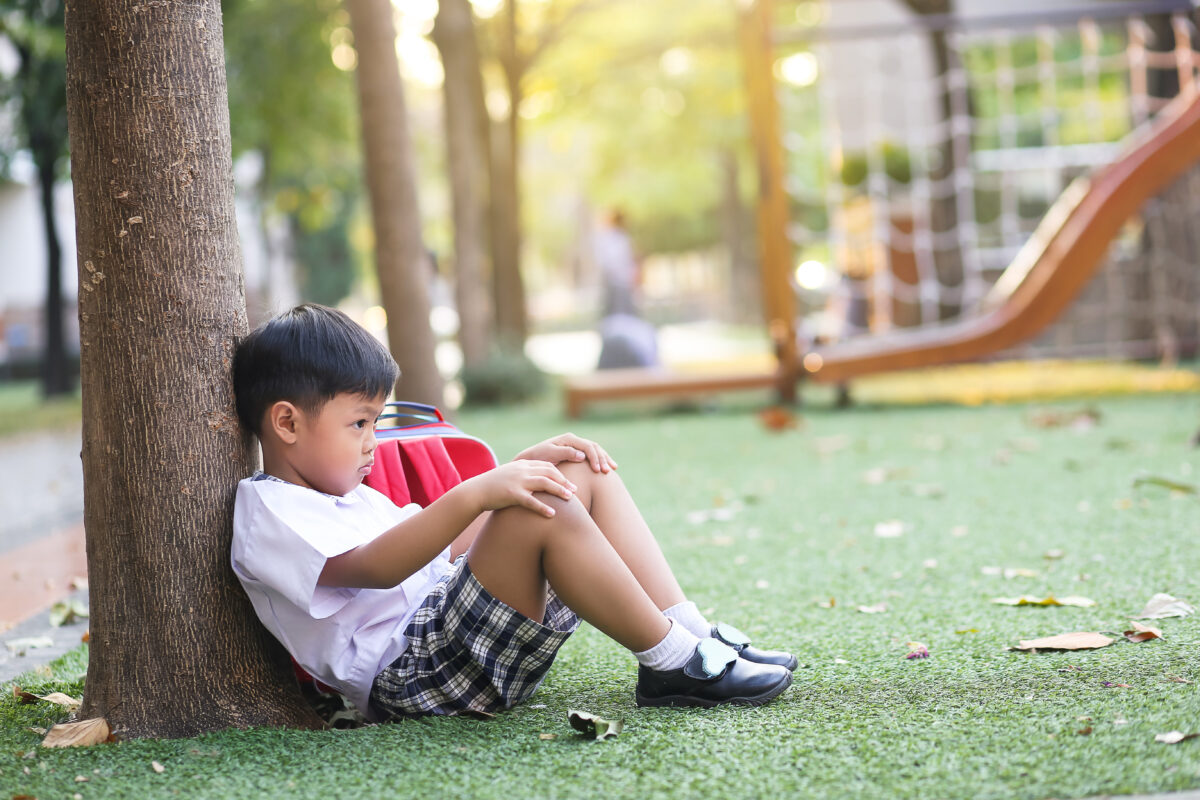
https://www.shutterstock.com/zh/image-photo/asian-child-feeling-sad-when-go-1670577082


It takes time for young children to adapt, but sometimes parents also need to adapt. In kindergarten, we refer to it as the Homeroom (regular class location), where one teacher leads the class, and children usually only see one or two teachers. If parents need to participate or collaborate with the school, they can simply find that teacher. In primary school, each subject has different teachers, so if any issues arise, parents need to consider how to communicate with each teacher.

Children don’t want to come home after going out. What should parents do?

Children don't want to come home after going out. What should parents do?

https://www.shutterstock.com/zh/image-photo/asian-young-mother-holding-little-son-2209123705


SourceRegistered Clinical Psychologist, Yiu Fong Lee


Sometimes, when parents go out with their children, they often encounter situations where the children are having a great time but then start crying and refuse to go home. They cry uncontrollably, regardless of whether we try to coax them, punish them, or explain the reasons. They may continue crying persistently, and we really don’t know what to do. How can we handle such situations with our children?


First, we need to understand the child’s emotions and ask about the reasons behind their reluctance to go home. What is the reason that makes them not want to go home? Do they want to continue playing? Parents can say to them, “I also want to know what happened. Why don’t you tell me?” Sometimes, in clinical practice, we may hear several different possibilities. For example, the child may say, “I’m very happy because it’s really fun here, and I want to keep playing,” or “I’m scared to go home because I’ll have to do homework or study,” or “I’m afraid of some relatives at home because they might scold me.” By understanding the reasons, we can help the child express their emotions.


The mother can respond by saying, “Mom hears you. You want to continue experiencing this feeling of happiness,” or “Mom hears you. You’re afraid of studying or feel a lot of pressure with exams,” or a third response could be, “You feel scared of certain people at home, and it seems like you’re not happy being around them.” Then, we can brainstorm together with the child to find ways to deal with the situations mentioned above.


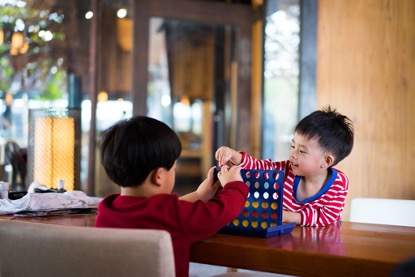
For example, in the first scenario where the child wants to continue experiencing the happy feeling, we can brainstorm with them about activities they can do at home that would give them the same sense of happiness. For instance, if they enjoy watching TV, playing on a tablet, or playing board games, they can continue engaging in similar activities or play with toys at home once they return.

https://www.shutterstock.com/zh/image-photo/brothers-playing-game-together-772119661


The second scenario might involve fear of academic pressure and exams. The mother should explain to the child how to cope with study-related stress. For example, they can create a schedule where different tasks or homework are assigned to different times, letting the child know that after effectively completing these tasks, they will have leisure time. Parents can also engage in mindfulness exercises with the child, such as focused breathing or body scanning, allowing them to feel sensations in different parts of their body and helping reduce stress reactions. Parents can practice together with the child, allowing them to relax and not feel overly anxious about studying and exams.


If the issue revolves around the child’s relationship with family members, it is encouraged to allocate more playtime with relatives or engage in activities the child particularly enjoys together with them. It is also important to have moments of quiet listening, to truly understand what the child fears about the elders. We let them express their thoughts and feelings and listen attentively, making the child feel that the parents understand their world and know their needs.


Another approach is to create a behavior-consequence matching chart with the child before going out, as a form of mental preparation. For example, write down the specific time range for visiting an entertainment venue on the chart. If the child can adhere to the schedule and leave the venue on time, they will earn a reward symbol on the chart. This immediate reward could be their favorite food or the opportunity to obtain their favorite toy.

https://www.shutterstock.com/zh/image-photo/asian-children-cute-kid-girl-enjoy-666484363


If the child refuses to leave the entertainment venue, throws a tantrum, or arrives home late, we will also assign a negative symbol on the behavior-consequence matching chart, indicating a negative consequence. For example, it could involve taking away all entertainment privileges for the rest of the evening or even not being able to visit their favorite entertainment venue for a week. This behavior-consequence matching chart should be discussed and created together with the child before going out, and its contents should be reviewed after each outing to ensure its appropriateness. Adjustments can be made to the chart, adding or removing consequences, to provide the child with a clear goal to follow, making them realize that they are expected to return home.

The expenses of having children are particularly high. How can parents manage their finances effectively for themselves?

The expenses of having children are particularly high. How can parents manage their finances effectively for themselves?

https://www.shutterstock.com/zh/image-photo/unhappy-chinese-married-couple-calculating-budget-2136478947


Source: Founder of Piggy Gaga Financial Education, Sang Chan.


Raising children is often described as “bit pricey,” meaning that expenses increase significantly. As parents, how can we manage our finances effectively? Many parents believe that their income level determines their quality of life. While income is certainly related to quality of life, there is something even more important. If every family handles it well, their quality of life can still be greatly improved, and that is how they manage their income.


Each parent can use a simple financial concept, known as the financial pyramid, to allocate their monthly income. The underlying principle of this financial pyramid explains how to divide and allocate every dollar earned to the appropriate areas, maximizing the value of each dollar. By following the construction and operation of this financial pyramid, the financial situation of every family can become increasingly healthy.


At the base of the pyramid, the first step is to allocate around 5% of the income to Mandatory Provident Fund (MPF). After setting aside funds for MPF, the next level is to allocate for our basic needs. Basic needs refer to our necessities such as clothing, food, housing, and transportation. As parents, this also includes the daily supplies for our children, such as formula milk and diapers. It may even include their educational expenses as they grow older.


Approximately 50% of the total income should be allocated to cover basic needs, which is a reasonable level. After managing basic needs, we then have to consider taxes. The amount of taxes varies for each individual. In Hong Kong, approximately 5% of the income is usually manageable for taxes.

https://www.shutterstock.com/zh/image-photo/adult-asia-people-single-mom-small-2153151913


After allocating for these three levels, how can we manage the remaining money to gradually improve our quality of life? The first part is allocating around 10% of our income to liquid cash. Another 10% can be allocated to asset protection, where the most important asset is ensuring our own and our family’s well-being


After arranging these two 10% allocations, we have approximately 20% of the income remaining. This 20% can be allocated to asset appreciation, allowing us to achieve some important life goals. Sometimes, parents may ask, “Do we need to be very wealthy as a family to engage in financial management? Can we manage our finances even if our income is just enough?”


High-income families are like large houses, and they may have more things to take care of. They might have a storage room where all the miscellaneous items can be stored and the door closed. The whole house will then become tidy, and the overall management will be much simpler.

https://www.shutterstock.com/zh/image-photo/businessman-holding-coins-putting-glass-concept-793237669


But if our house is not that big, metaphorically representing our income, we can imagine a small house. If we take good care of it, it can still lead to a better quality of life. If our income is more abundant, of course, there will be more room for financial management. However, if our income is just enough, it becomes even more important to manage it well.

What should parents do when a 3-year-old child throws a tantrum because things don’t go their way?

What should parents do when a 3-year-old child throws a tantrum because things don't go their way?

https://www.shutterstock.com/zh/image-photo/asian-adorable-boy-crying-on-bed-2232485517


Source: Clinical psychologist, Yu Kwok Ting, from Caritas Rehabilitation Service


Children often have their own ideas, but sometimes when they encounter something they don’t like, they may resort to crying and throwing a tantrum to try to get their way. However, a child’s crying can often hit a parent’s weak spot and make them give in, which actually sets off a vicious cycle.


We need to understand that the frequency of a child’s behavior is related to its consequences. Simply put, if we do something and the consequence is good, we are more likely to do that behavior again; if we do something and the consequence is bad, we naturally won’t do that behavior again.


Younger children cannot fully grasp their understanding of the world and what they should and should not do. They only have a vague concept, so when parents try to explain to them why they should or should not do something, children may not fully understand even after listening.


If a 3-year-old child is upset before bedtime, parents can set up a reward plan with them. Every child in each family is different, and parents can teach their child: “I will only ask you to go to bed three times at most every night. If you can go to bed within those three times, you will get a sticker or stamp for that day. When you have collected a certain number of stickers or stamps, you can exchange them for a reward.” The reward can be a gift or an activity, such as going to a special place with the family.

https://www.shutterstock.com/zh/image-photo/girl-sit-on-bed-focus-watching-1660885384


When a child refuses to sleep at night and only wants to watch TV, parents need to remind them: “This is the first time we’re reminding you to go to bed.” If they still refuse to go to bed, parents should remind them that they will get a sticker if they go to bed within three reminders. At the same time, parents should bring out a notebook and stickers to show the child. If the child still refuses to go to bed after the second reminder, parents should say, “This is the second reminder; please go to bed. You can still get a sticker if you go to bed now.” If the child still doesn’t comply after the third reminder, parents should say, “We’ve reminded you three times already, and you still haven’t gone to bed. We won’t give you a sticker, and we’ll have to put things away now.”


The child may become emotional and cry, and may even demand stickers or TV. At this time, it’s important for parents not to give in and let the child watch TV or receive a sticker. If the child is able to succeed in getting a sticker or watching TV, they will learn that if they cry for long enough, they will get a good result.


Parents need to be firm and prepared for a prolonged battle at this time. They can remind themselves that this is a difficult but ultimately beneficial process. When the child continues to cry without getting a sticker or TV, they will gradually learn that being emotional doesn’t work. Not only does it not work, but it also means they won’t get a sticker or watch TV, which is not good. Gradually, they will learn not to use this method and will try to do what their parents ask them to do in order to earn stickers.

https://www.shutterstock.com/zh/image-photo/placing-tiny-stickers-notebook-1786322801


Parents often feel that using reward programs or tempting children with prizes is not good, and they feel that it is bribery behavior towards children. However, the biggest difference between reward and bribery is time. Usually, bribery occurs when the child is already uncooperative and the parent offers a sticker if the child goes to bed now. This belongs to bribery. But rewards are predetermined in advance and not given when the child is throwing a tantrum or having a mood swing to motivate them to do something good.

Reward items are a way to increase their motivation. Reward items can be gifts or food. If parents feel that it is too materialistic, it can also be an opportunity for an activity or verbal praise. Verbal praise can also increase the child’s motivation. As the child grows up, this kind of reward may not need to be so externalized. They will gradually receive rewards from their parents’ words or actions, and it will become a reward in their own minds.

When they slowly do well, they no longer need external motivation. They will give themselves motivation and think, “I have grown up, I can do it, I am smarter.” So, the reward program does not need to be done for a lifetime, but we need to give them a small incentive when they do not understand the world and their values are not very strong at the beginning, and over time we can gradually reduce the rewards.

Finally, parents need to understand that there are many factors that need to come together for a reward program to be successful. The adults in the family also need to implement the reward program consistently. It cannot be just the father giving stickers while the mother does not.

Secondly, we need to follow through. Thirdly, some things need to be done immediately. For example, if something happens at night, we need to give stickers right away and not wait for a week to do so. Fourthly, we need to be flexible. If the child wants to change the reward item every time, we should cooperate and not give the same gift every month.

If parents have set up a reward program at home and feel that it is not effective, there may be some adjustments needed in these details. If parents feel that it is not very effective, they can seek advice from teachers, social workers in the community, or other professionals to discuss how to adjust the reward program to help children do well.

Categories
Parents Zone Parents Zone Parents Zone Parents Zone Parents Zone Parents Zone Parents Zone Parents Zone Parents Zone

What is the reason behind a child being unable to sit still in class?

What is the reason behind a child being unable to sit still in class?

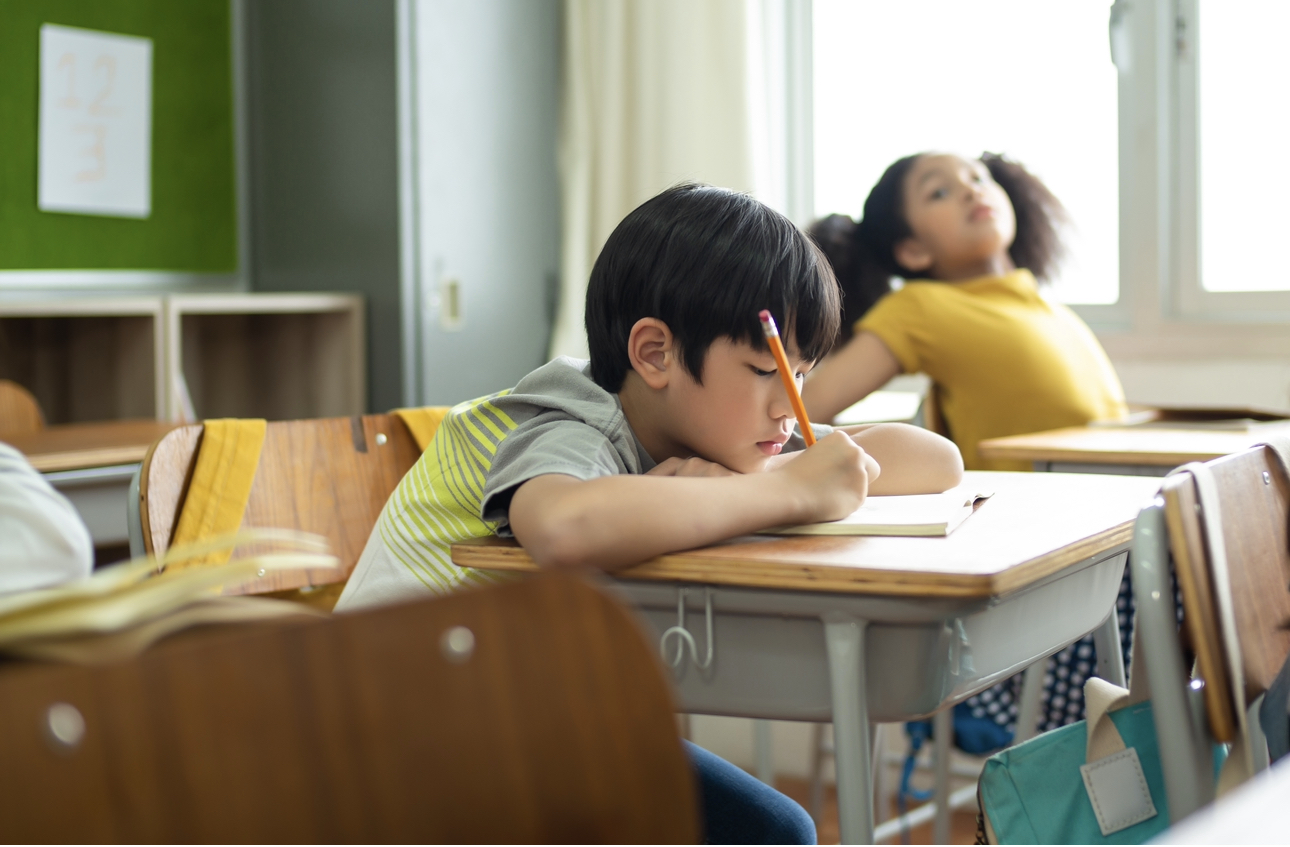
https://www.shutterstock.com/zh/image-photo/unhappy-schoolboy-studying-classroom-school-during-2031372842


Source: School Supervisor’s Notes by author Wu Shan-ying


Children may have trouble sitting still in class due to either being too energized or being a gifted student or having ability issue. How do these two situations cause them to be unable to sit still, and how can parents help them?


For gifted students, they need to use two sensory systems at the same time to stabilize their attention. For example, if a gifted student needs to count and write down steps to solve a problem, how can they be encouraged to do so calmly? One method is to listen to music, and in fact, many adults also listen to music while working to calm their minds. When listening to music while working, it occupies two of your senses at the same time, so you don’t have spare capacity to command your hands or feet to move, which helps to keep you calm.


Another reason why some children are unable to sit still is due to ability issues. Simply put, if you ask a 3-year-old to do something at the level of a 7-year-old, it is beyond their abilities, but this is a common practice in Hong Kong. As children grow older, their self-awareness will relatively increase.

https://www.shutterstock.com/zh/image-photo/finger-pointing-angry-tired-little-girl-147988910


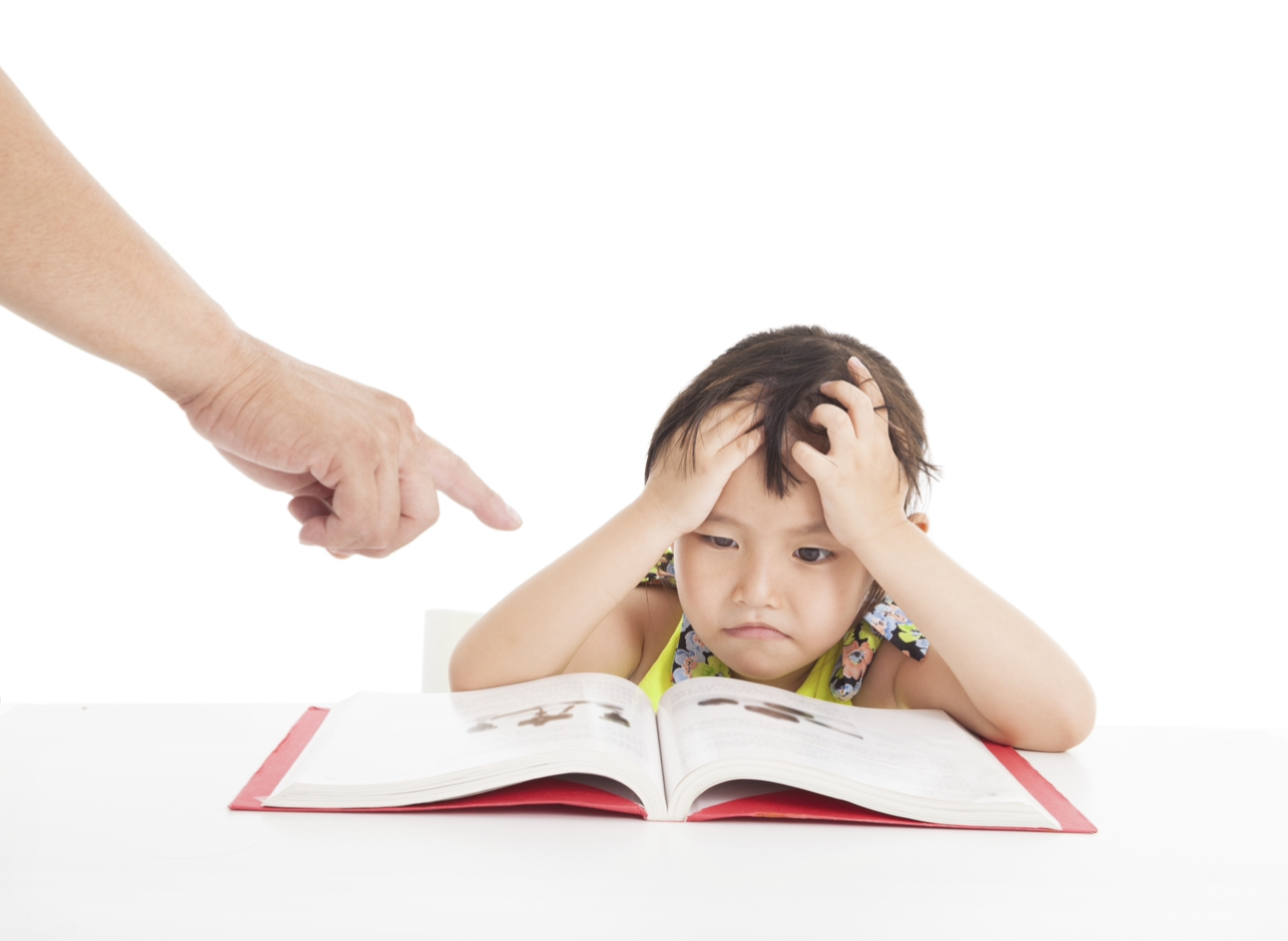
As I mentioned earlier with a reading comprehension exercise, a child already said, “This is too hard, I’m just a K3 student.” They already know they don’t understand, so asking them to do it anyway is meaningless. As a teacher, you should break down the article and teach it in parts to cultivate a child’s correct mindset. The child showed me the article and said, “I don’t understand even the first sentence.” I replied, “Then let’s skip it and focus on the main idea first.” The child gradually guessed the main idea with one or two understandable words, and eventually understood the content and purpose of the article.


Therefore, as long as a child feels capable of doing something, they will gradually read through the entire article and eventually realize that they are capable of understanding it. You need to determine the reason why a child cannot concentrate. some are too fast in thinking, some are incompetent, some are unable to hear, even if they concentrate, or they cannot control themselves. All of these reasons need to be identified and addressed.