How can eating habits make your child’s skin healthier?

飲食How can eating habits make your child's skin healthier?

https://www.shutterstock.com/zh/image-photo/little-baby-boy-has-allergies-mosquitoes-1341712229


Source: Registered Dietitian (Public Health) (UK), Ng Pui-Yu


Many kids have dry skin or even eczema, and their parents work hard to find the right moisturizers and other skin care products for them. In fact, in addition to topical skincare products, we should also pay attention to children’s diets. The most direct way, of course, is to drink more water. How much water should be drunk?


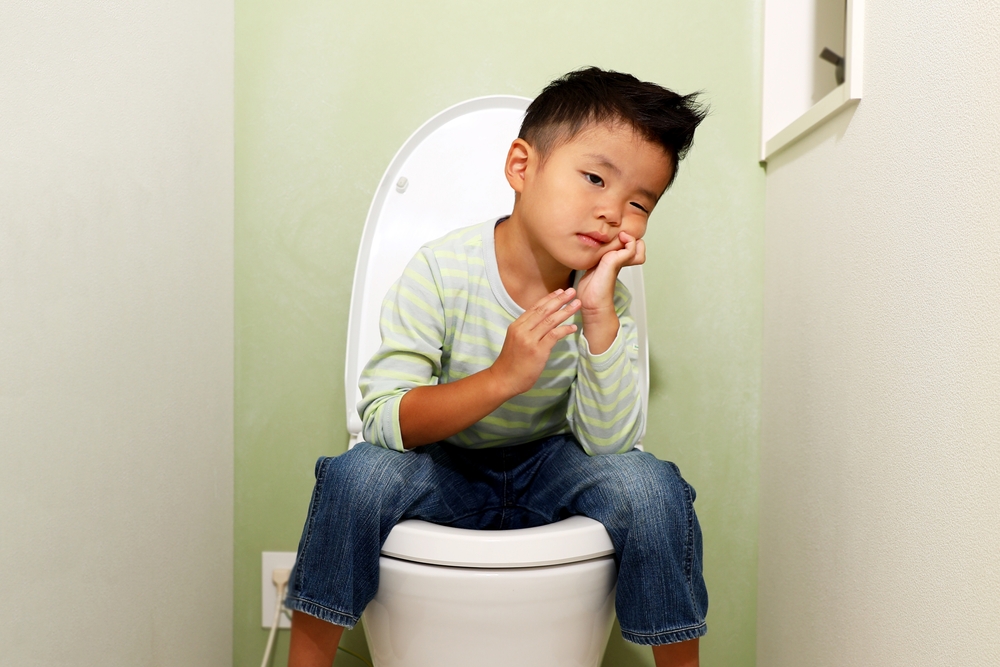
In fact, our body’s need for water is deeply influenced by the weather. For example, in dry weather, we need more water, as well as to account for children’s activity levels and how much they sweat. The water content in food also affects their need for water. If a child urinates every 3 to 4 hours and the urine is light yellow with no strong odor and the stool is not very hard and does not cause difficulty during bowel movements, it usually means that their water intake is sufficient.
https://www.shutterstock.com/zh/image-photo/boy-thinking-about-various-things-toilet-2050911272


For children aged 2 to 5, they need about 4 to 5 cups of fluid a day, and water should be the main source. Unsaturated fatty acids, like omega-3, are also important for maintaining the integrity of cell membranes, which keep harmful substances out and keep the skin moist and flexible. Omega-3 fatty acids can also help calm immune responses that are too strong in people with skin allergies or eczema.


We should also avoid certain foods, such as candies, cookies, and white bread, which are refined foods. Instead, we should choose low-glycemic index foods, such as brown rice and whole wheat bread, which are important for controlling sensitive conditions. Antioxidants, including common vitamins A, C, and E, are also important and can be found in fruits, vegetables, and nuts of different colors, making them great sources of antioxidants.

https://www.shutterstock.com/zh/image-photo/sliced-piece-black-rye-bread-on-2181599479


In summary, to have healthy skin, in addition to having enough water, you should eat high-fat fish such as salmon or yellow croaker twice a week. You can also replace some cookies and candy with plain nuts, fruits, and so on, and it is ideal to eat a variety of vegetables and fruits.


By the way, if a child’s chewing ability is not well developed, there is a chance of choking when eating nuts. Therefore, we should choose some smaller nuts, such as pine nuts, which are also a good option.

How to effectively calm children when dealing with parent-child conflicts?

How to effectively calm children when dealing with parent-child conflicts?

https://www.shutterstock.com/zh/image-photo/candid-shoot-people-cafeteria-little-girl-1170417658


Source: Parenting Education Specialist, Ken Sir


From time to time, conflicts may arise between children and adults. In handling these conflicts, communication skills with children are very important, and there is a big difference between starting with “you” and starting with “I.”


Once, I was at the elevator entrance and saw a child trying to press the elevator button, but another child pressed it first. The child’s emotions immediately became volatile, and although the mother tried to bend down and deal with the situation, she found it difficult to calm the child’s emotions. What was involved in the situation?

https://www.shutterstock.com/zh/image-photo/baby-trying-pressing-elevator-button-down-1070815517


This involves the mother using a few phrases, including “don’t cry”, “what do you want?” or “do you want me to go down to the next floor and let you press the button?” I want to remind parents that if they want to calm a child’s emotions, they should avoid using these types of phrases.


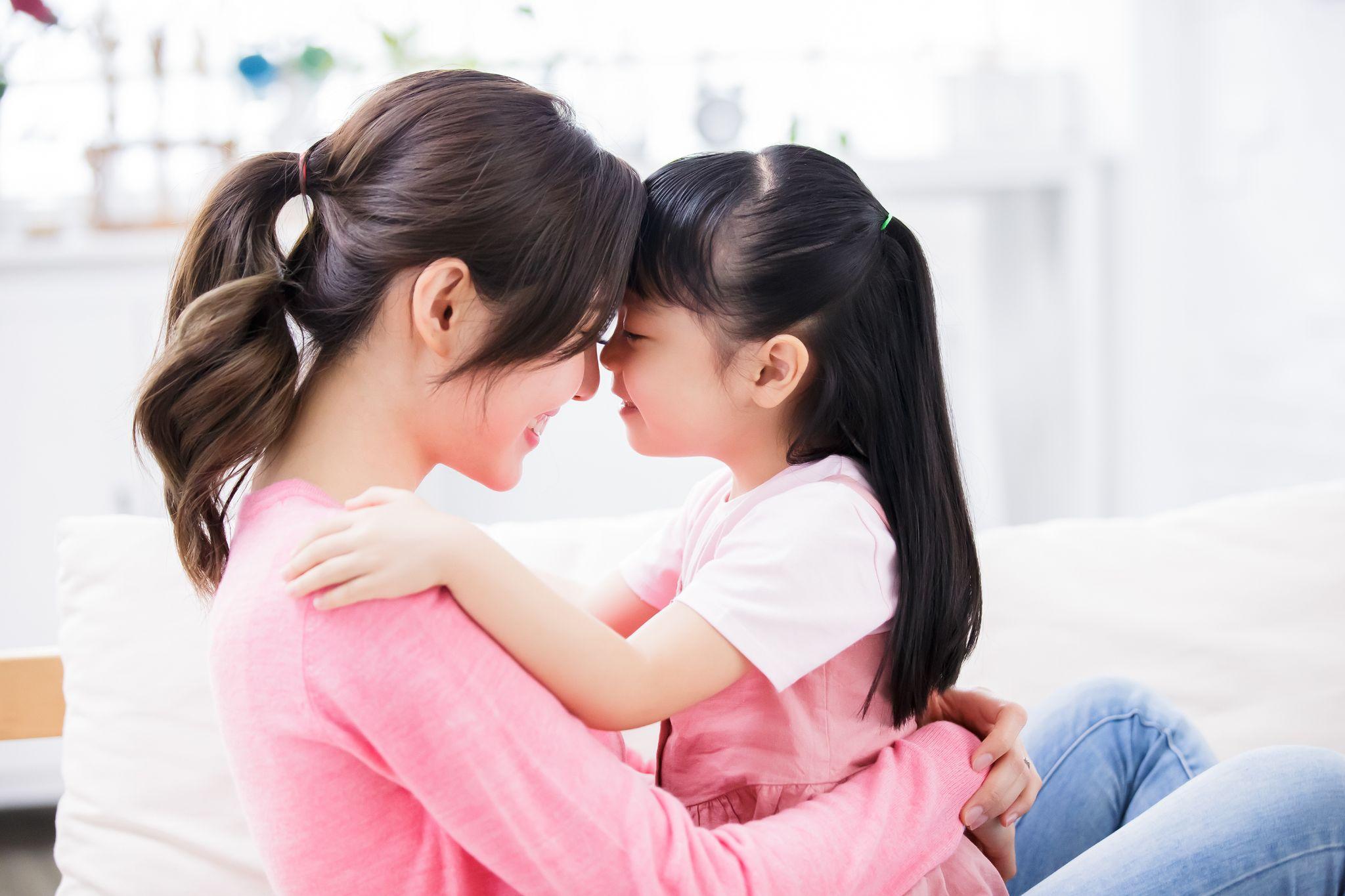
If we want to calm a child’s emotions, we can try using “I” at the beginning of the sentence, such as “I see you…”, “I know that you really want…”, and “Mom and Dad understand you”. When a child hears these words from their perspective, they will feel that you are on their side rather than opposing them.


In this way, through your body language—calming and hugging—it helps the child gradually learn to be calm and then slowly instill what you want to teach them. This would be very good.

How do parents show love to their children?

How do parents show love to their children?

https://www.shutterstock.com/zh/image-photo/happy-asian-family-garden-they-having-1936804654

 Source: Parenting Education Specialist, Ken Sir

Parents may worry that expressing too much love to their children will spoil them and therefore do not know how to express love to them. Generally speaking, Chinese are more introverted and often dare not express their love. Especially when you originally wanted to express that you were very worried about your child, it often turns into another attitude.

Once, I saw a mother and her child get lost in Shatin and then reunite. What was the mother’s behavior like after the reunion? She grabbed the child’s hand and hit him while saying, “I couldn’t find you earlier; do you know how scared I was? I was so worried. What would I do if I didn’t find you?”


In fact, everyone knows that the mother loves her child, but the child doesn’t feel it. I often share an example during lectures to express love. When I was young, my father ordered a drink, but because money was tight, he asked the waiter to bring an extra cup after ordering one hot drink. He kept pouring the drink back and forth in front of me, trying to cool it down quickly so that the child wouldn’t burn his mouth and could drink it faster. But I found that when children ask their parents or when I asked many students’ parents, they would answer, “This will make it cool faster.”

https://www.shutterstock.com/zh/image-photo/happy-asian-family-drinking-fresh-water-1243718173


When responding to children, parents should express their feelings at the deepest level: “I love you; why would I do this if I didn’t love you? Am I doing it for someone else? For another child? So in fact, there are many things in our lives that can express love, but there is one thing that must be remembered. If you are afraid of being overindulgent, remember the following two points:

First, if the child can do something, let them do it. You should not fight to do it. Second, when the child makes a mistake, we should correct them. In the process of correction, try to be gentle and firm. When seriousness is needed, be serious. But remind the child to say the solution, not just say no or that it’s wrong. Otherwise, the child will not progress.

Learn English from games without difficulty

從Learn English from games without diffculty


https://www.shutterstock.com/zh/image-photo/young-child-studying-english-native-teacher-1735843556


Source: Speech therapist, Miss Carley


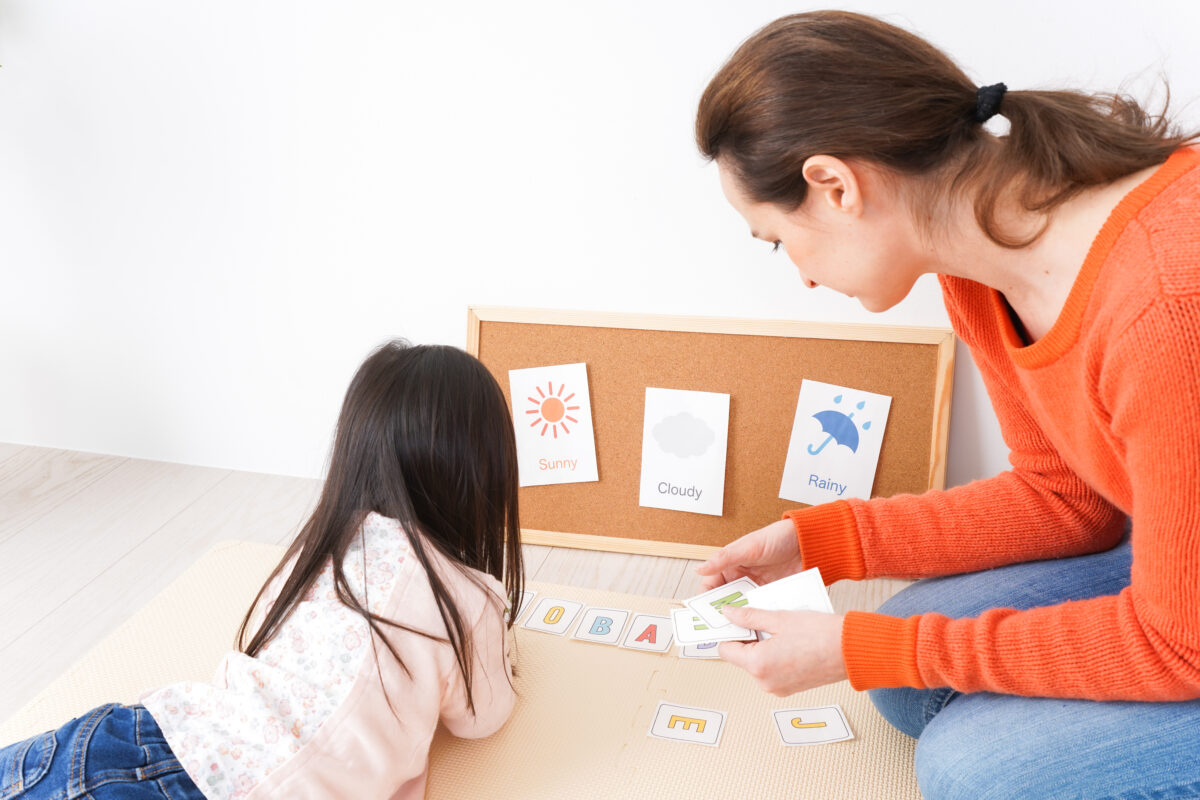
Often, we want children to learn English vocabulary, which may be difficult and boring for them. In fact, parents can try to create some simple games for children to learn these English words through the process of playing.


The first game is called “Covering the Card.” It is similar to the card game we usually play. Parents can write some words that children need to learn on white paper and draw more sheets with laughing faces. How do I play it? To begin, we must mix the cards and distribute them evenly to each player; for example, each parent and child will receive four cards. Then, take turns playing the top card. For example, if this card is drawn, read out the word, explain its meaning, and use the word in a sentence. But if a laughing face is drawn, the player needs to quickly slap the card. If the player is slower, they must take all the cards and keep them in their hands. The player with no cards in their hand wins.

https://www.shutterstock.com/zh/image-photo/children-english-school-playing-cards-1421841797


The second game is called “passing three levels.” It is actually similar to the game we usually play, but this time we have pre-written some vocabulary words in the nine squares. Then, we take turns with the child to draw some crosses or circles. For example, if I draw a cross here, I need to read, explain, and make a sentence with the vocabulary word in this square. Then it’s the parent’s turn; they might use a circle, just like in “passing three levels.” The first person to connect three cards in a straight-line win.


The third game is a memory matching game. Parents can write some Chinese characters that children need to learn on white paper and write each character twice. Parents can randomly place pairs of word cards on the table. Then parents can ask the children to take a look and remember them, and then flip the cards over. Parents and children take turns flipping over two cards. If they match, the child is asked to use the word to make a sentence, explain its meaning, and read it out loud.

Punishment or reward?

Punishment or reward?

https://www.shutterstock.com/zh/image-photo/teacher-use-ruler-hit-kids-hand-1141277087


Source: Dr. Law Wai Pak, Assistant Professor of the Department of Psychology at the Education University of Hong Kong and a registered educational psychologist


When it comes to getting their kids to study, many parents feel very frustrated and wish their kids could be self-motivated. When it comes to improving their children’s motivation to learn, many parents first think of using rewards and punishments. But which is more effective, using a stick or a carrot?

In fact, I believe that most modern parents understand that punishment is not a very effective method because it can hurt children’s bodies and undermine their self-esteem. Does this mean that using rewards is more effective? For example, “If you finish your book, you can have a pack of chips.” However, this method also carries hidden risks.

First of all, this reward often has to be constantly increased in order to be effective. Secondly, when there are no rewards, children will not automatically be motivated to study. Besides using punishment and reward, is there a third way?


Here, I would like to introduce three treasures to everyone: “sense of competence,” “sense of autonomy,” and “sense of relatedness.” What is the sense of competence? It is the belief that a child can learn new things and handle challenges. Parents can choose some challenging learning materials or homework that is not too difficult or easy for their children. For example, when they come to the library to choose a book, they should not choose a book with too many difficult words. Children should at least understand 70–80% of the words in the book. In addition, parents should provide more positive and helpful feedback to their children, appreciate their efforts, and brainstorm problem-solving methods with them.


https://www.shutterstock.com/zh/image-photo/young-asian-teacher-giving-boy-high-1827876731


The second thing is the sense of autonomy. Sometimes children may have a high sense of ability, but they will not learn autonomously when they feel oppressed. What can parents do to enhance their children’s sense of autonomy? You can let them make more decisions, encourage them when they study, and only offer help when they need it. Also, don’t give them too many instructions or use rewards and punishments inappropriately, as this can erode their sense of autonomy.


Third, it’s the sense of relationship. Since birth, everyone has had a need to be loved and cared for, and when children feel loved and cared for, they develop trust in their parents. When you ask them to study again, they will take it more seriously. How can parents strengthen their sense of relationship with their children? Listen to them more often, express empathy, and interact with them with a warm attitude. The most important thing is unconditional love, which means loving them regardless of whether their grades are good or bad.

小朋友做功課慢有甚麼原因?

https://www.shutterstock.com/zh/image-photo/young-asian-teacher-giving-boy-high-1827876731


The second thing is the sense of autonomy. Sometimes children may have a high sense of ability, but they will not learn autonomously when they feel oppressed. What can parents do to enhance their children’s sense of autonomy? You can let them make more decisions, encourage them when they study, and only offer help when they need it. Also, don’t give them too many instructions or use rewards and punishments inappropriately, as this can erode their sense of autonomy.


Third, it’s the sense of relationship. Since birth, everyone has had a need to be loved and cared for, and when children feel loved and cared for, they develop trust in their parents. When you ask them to study again, they will take it more seriously. How can parents strengthen their sense of relationship with their children? Listen to them more often, express empathy, and interact with them with a warm attitude. The most important thing is unconditional love, which means loving them regardless of whether their grades are good or bad.

What are the reasons why children are slow at doing their homework?

What are the reasons why children are slow at doing their homework?

https://www.shutterstock.com/zh/image-photo/asian-elementary-schoolboy-thinking-while-doing-596186087

Source:Dr Hui Lung Kit

Whether for children or parents,
doing homework is the biggest problem. Even during the summer break, many
parents find it a headache. Parents often fight with their children, which
worsens their relationship. In fact, there are three main reasons for slow
homework.

First, excessive activity. At home,

children frequently run around, climb up and down, and run from the bathroom to
the kitchen, then to their room. They never stop, like a motorcycle moving
around. Imagine how painful it is to make them do their homework. If you give
them a table and chair, they will never sit still. When they finally settle
down, they keep fidgeting and moving their bodies, like they have ants in their
pants.

To start doing homework, they pick

up the pen and say they need to go to the bathroom, then say they need to pee,
poop, or that they are hungry and need to eat something. They always have an excuse
to leave the chair. It usually takes them 1 to 2 hours to settle down to do
homework, which is called excessive activity. Children who are excessively
active will definitely do their homework slowly, not because they are slow, but
because they need more time to settle down.

https://www.shutterstock.com/zh/image-photo/stressful-asian-woman-laptop-sitting-on-1152046592

For older children, like middle school students or upper elementary school students, they may not necessarily run around, but they often shake their legs, constantly shaking to the point where the whole table is moving. For example, they may spin their pen around and around. Don’t underestimate this leg shaking, pen spinning, and body moving actions; they are actually symptoms of hyperactivity.

Secondly, they have weak concentration. Children with insufficient concentration may be able to sit down, but they stare at you like a cloud, daydreaming, completely unaware of what they are doing. They hold a pencil and look at their homework, but they are just looking at it and can never absorb the first question. So they may be able to sit down, but they will always stay on the first question, constantly distracted by phone calls or doorbells, and they can never focus.

Some parents have complained to us that if it is a hyperactive child, they will need to walk around in the first hour, and children with poor concentration will be daydreaming for the first hour, and it will take until the second hour before they can continue, and they will do it very slowly.

https://www.shutterstock.com/zh/image-photo/9-yearold-little-asian-girl-sitting-1407273545

Thirdly, weak reading and writing ability. You may have heard of reading and writing disorders, which are more severe cases. However, some children do not have reading and writing disorders, but their reading and writing abilities are weak. This includes Chinese, English, and mathematics, including reading and writing. It seems difficult for them to read and spell, and they can never seem to remember simple words. Writing is always reversed; left and right are reversed, just like in a mirror, and some even turn things upside down.


These types of children can sit still and will do so when asked. They can also concentrate well. But what happens? They will sit and do their homework, but they will sweat profusely while doing so. However, after completing their work, every question is wrong, and they cannot remember or understand anything. This may be due to reading and writing problems, which can slow down their homework.

https://www.shutterstock.com/zh/image-photo/person-leads-finger-on-lines-book-1864366570

I just mentioned three reasons, which one is it exactly? Of course, some children may have all three, but if parents can pay attention, they shouldn’t just blame the child. When he is working slowly, first pay attention to which of the three reasons the child belongs to. If you know which reason he belongs to, then we can prescribe the right treatment and get twice the result with half the effort.

What constitutes a language development delay in a child?

What constitutes a language development delay in a child?

Typically, babies start making sounds as soon as they are born, such as different crying sounds to express their demands. From 4 to 8 months, they start babbling, which is part of the language preparation period. Children actually go through a ladder of language development, starting with just learning single words and ending with being able to tell stories with their words.

Babies from 9 months to 1 year generally start producing their first meaningful word, such as “ba,”  “ma,” or “ball ball.” From 1 to 2 years old, their understanding and vocabulary expression increase greatly, with the accumulation of single words forming two-word phrases, such as “mommy drink” and “eat bun bun.”


From 2 to 3 years old, children generally speak in longer sentences and can express different needs. For example, they like to add a word to the two-word phrases, forming three-word combinations, such as “Daddy eat bun” and “I want grandma.” Some children start using adjectives, such as “sister eats a big apple.”

Source: Speech Therapist, Mok Yee Tuen

https://www.shutterstock.com/zh/image-photo/happy-mother-cute-baby-girl-studio-41484523

Young children generally recognize more different sentences and start using conjunctions after 3 and a half years old, and by 5 years old, they slowly understand how to combine different sentences and use more conjunctions and start to narrate things logically, that is, by telling stories.

In fact, the language development of young children is slightly different for each person, but through empirical research, we also have some important reference indicators to see if a child may have a speech delay.

The first is that there are no words at 2 years old.

Second, no sentences appear before the age of three.

The third is that speech is unclear and hard to understand after 3 years old,

Fourth, sentences are still unclear after 5 years old.


If the child is not speaking more and more as they grow, parents should seek the help of a professional to assess and train them as soon as possible.

https://www.shutterstock.com/zh/image-photo/happy-little-asian-girl-talking-on-448337638

Since childhood, children have learned the great method of storage and how to pack up toys without difficulty

Since childhood, children have learned the great method of storage and how to pack up toys without difficulty

https://www.shutterstock.com/zh/image-photo/attractive-beauty-lady-office-work-using-725715985

SourceTaiwan Professional organizing advisor, Yu Zhi Lin

One of the parents’ nightmares is working hard to pack up the
toys every night, but the next morning they were scattered all over the floor
again. Pack up your stuff. How can parents teach their children to pack up
their toys?


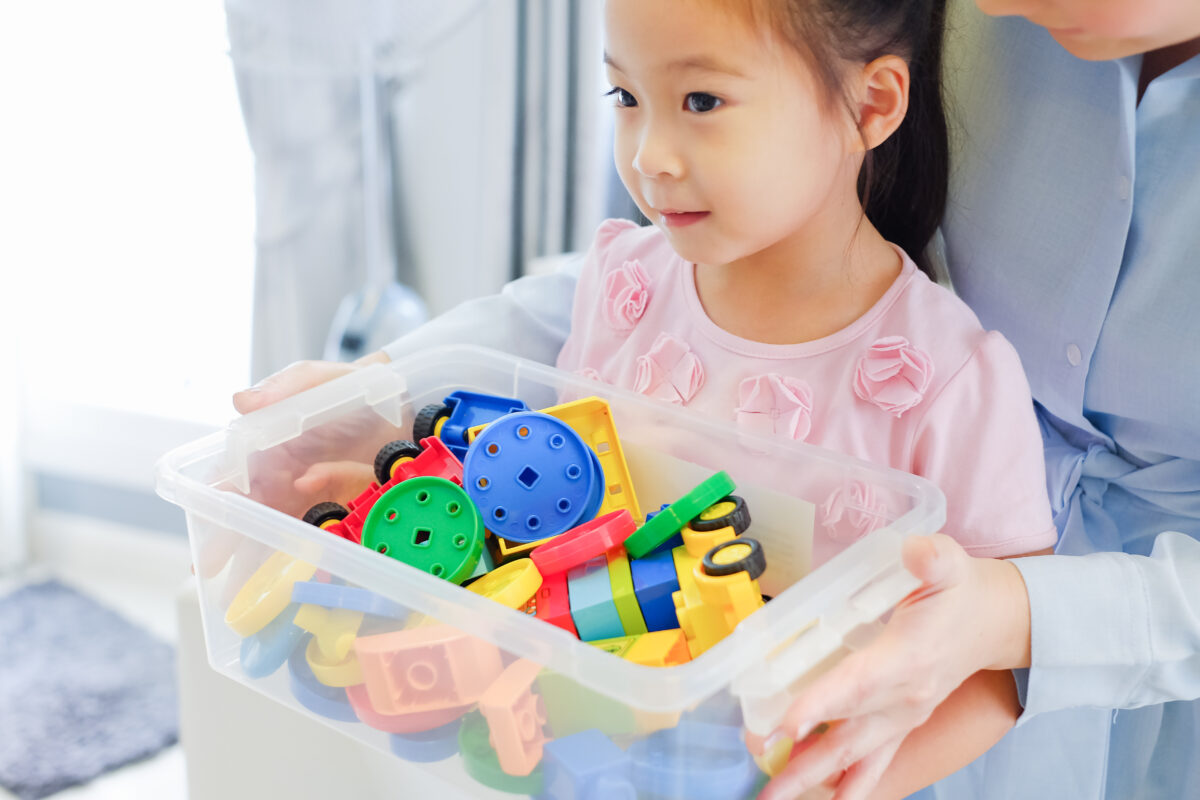
We decide how big the storage box should be based on the child’s
age, which is about 1 to 2 years old. To prevent children from putting toys in
their mouths, toys at this time are usually larger, so we need a slightly
larger storage box. When children are younger, our standards can be very low,
mainly to let them know that they need to clean up after playing with toys,
pack them up in the storage box, and put all the toys in it. At this age, we
need to train them to be tidy.

https://www.shutterstock.com/zh/image-photo/little-cute-asian-girl-playing-plastic-1026670537

By the time children are a little older, about 3 to 5 years old, they can already have a preliminary classification. Know that there are different types of toys. At that time, the storage box does not have to be so big, we can change a smaller storage box, according to the different types of toys a little classification. We adjust the rules of the game a little higher; you can paste some classification labels outside the box, with patterns, colors, or word cards, so that children can easily identify. For example, a car, with a car pattern or a word card “Car”, so that children can slowly learn to remember this classification.

When children go to elementary school, they will have their own ideas and know what to put away where, so our storage box can become smaller. Then we can store many small things for children, such as little girls’ ornaments, small beads, and accessories for Barbie dolls. We can also use such a small box to sort, because after such a long time of training, children will find it very natural to clean up, and parents will also feel very relaxed.

How can children learn to take care of themselves?


https://www.shutterstock.com/zh/image-photo/asian-cute-primary-school-girls-packing-2182915143

Source: Shirley Loo, Executive Director, Family Development Foundation

As we may notice, in today’s society, the children of the previous generation have grown up and are now working in society, but it seems that their parents are involved in many things. It made me think back to my own childhood—did our moms always take care of us in a pampering role? Did everything seem to be taken care of so well that the kids could just focus on school and academics?

In fact, this is definitely not a healthy phenomenon for the growth of children, but I also understand that mothers think that children do not need to care about anything, mothers take care of everything for you, remove any adversity and difficulties for him, establish a protection zone, and tell him to focus only on studying well. But being a good student is not the same as knowing how to be a good person. Both things should be balanced.

They may find it very profound to know how to behave. If you narrow it down, it means the ability to take care of oneself. Parents should know how to let go and let their children learn to take care of themselves; that is, if they know how to do things themselves, they should let them do as much as possible. For example, he knows how to pack his schoolbag, and how to put things into it. Of course, you have to teach him first and then let him do it.

This ability to care for oneself is also a survival skill; from the initial tying of shoelaces and packing of a schoolbag to growing up a little to take care of one’s own bookshelves and desks, and later applying to university, all are very basic survival skills. For example, what does it mean to “pack a schoolbag”? First, he must know how to write a handbook. He did not write everything down at first, but he can ask his classmates, and mothers can take the initiative to find different parents to chat with and compare the handbook with.

https://www.shutterstock.com/zh/image-photo/asian-little-kid-studying-table-1720118539

Second, check if he is shortsighted because many children do not copy properly because of eye problems. Third, in addition to the handbook being fully written, is how to organize in accordance with the timetable. Mom can demonstrate how to organize once a day before. The next day, ask him, “Get the General Studies book.” Slowly, he learns to organize, his mother can praise him, and some parents even use those reward tables. Give him a stamp if he packed the schoolbag today so that he has some sense of achievement. When he knows how to pack his schoolbag, it means he knows how to sort things.

Many times, parents are preoccupied with their own lives or work pressures, or their moods do not always remain positive. “Don’t do that; I’ll help you do it instead.” There will be times when there is no way; we will miss and be exhausted. But if you really do his homework for him, there is a risk because it’s dishonest and you don’t let him learn, because he would only learn and remember after making mistakes. I remember once a mother telling me that her daughter’s writing was crooked, so the mother kept erasing and breaking paper.

https://www.shutterstock.com/zh/image-photo/portrait-unhappy-mother-while-teaching-her-1525329908

I said, “You can use some creative methods to teach children in first grade.” I like to tell her that every word has its own home, and that home is inside the square. Those words like to return home, and you can help them be securely placed in their home. Parents need to be patient and wait for their children to improve slowly. Each child has his or her own pace of growth. I hope parents will respect the rhythm of their growth and respect their pace. In fact, while they are learning, we are also learning, so we can all progress together.

Categories
Parents Zone Parents Zone Parents Zone Parents Zone Parents Zone Parents Zone Parents Zone Parents Zone Parents Zone Parents Zone

Are you a “competent parent”?

Are you a "competent parent"?

How can we know if we are competent parents? We can find out how the children get along with their parents and how they behave by observing them, and here are five things we can observe.

First, trust the parents. If a child trusts their parents, we can see it in their eyes and in their responses when they communicate with their parent. When a parent talks to a child, the child looks intently at the parent, understands what the parent is saying, and responds clearly with “Yes! I understand,” and then follows instructions. This means that parents usually have good communication with their children.

Parents often tell their children why they should do something, whether it is a good thing to do, or what they think of it. For example, “I think you did a good job when a child fell down and you walked over to pick him up right away.” When parents tell their children how they feel and praise them for doing the right thing, they will be more willing to listen to their parents’ feelings and reactions, and they will gradually build trust.


https://www.shutterstock.com/zh/image-photo/asian-family-two-children-relaxing-outdoors-2029834358 


Source: Senior Parenting Expert, Bally 


Second, be brave enough to tell your parents. If children are willing to tell their parents when they encounter certain situations, it proves that their parents give them a lot of space. They are not afraid of being scolded by their parents, and they believe that their parents will give them the right direction, teach them what to do, and accept their wrongdoing. Therefore, children will slowly do what their parents think is right under the safety net. Communication between parents and children is very important, and we need to give them confidence in order to build a harmonious relationship. No matter what happens to them, it is very important that they are brave enough to share with their parents what has just happened or how they feel.

Third, have self-confidence. How can we tell that a child is confident? If a child looks at his or her parents before doing something and gets a positive look from them before doing it, in this case, the child is obviously not confident enough because he does not know what is right and what is wrong.

When a child can do something confidently in different situations, the parents can see that they can first give affirmation and then slowly tell him whether it is actually right or wrong to do what he just did, which over time will build the child’s confidence. They will know that they do not always have to do something right, as long as they have confidence, they can try to do it first. We will slowly build children’s self-confidence by reminding them of this process.


Fourth, have empathy. If children have empathy in many cases, for example, when they see a child fall, they will go to help the child; when they see an old woman crossing the street, they will want to help her. The fact that he is so empathic indicates that his parents, who are a competent pair of parents, have brought this message to him in their daily lives. 


https://www.shutterstock.com/zh/image-photo/happy-activity-asian-family-daughter-drawing-2197242139 

Because our future education hopes that children will not only take care of themselves but also care for society and pay attention to everything in society, empathy is very important. If children are able to take care of themselves and other people around them in their daily lives, it is important to be empathetic. So parents better pay attention to their own way of dealing with children, because if we have empathy, children will naturally have empathy.

Fifth, the ability to take care of themselves children are capable of taking care of themselves, such as eating, dressing, putting on shoes, etc. This also means that their parents are really competent at their jobs because they have taught them “how to fish, not fish for them.” As parents, we should teach our children that they are capable of coping with their own daily lives. If a child does not learn to put on his or her own school uniform by the end of K2, he or she will lose self-confidence over time and have a tendency to become dependent, gradually losing the ability to take care of himself or herself. It is important to be a competent parent to teach children to take care of their own lives.


https://www.shutterstock.com/zh/image-photo/boy-help-each-other-run-on-380643181